
ABOUT ACRODANCE
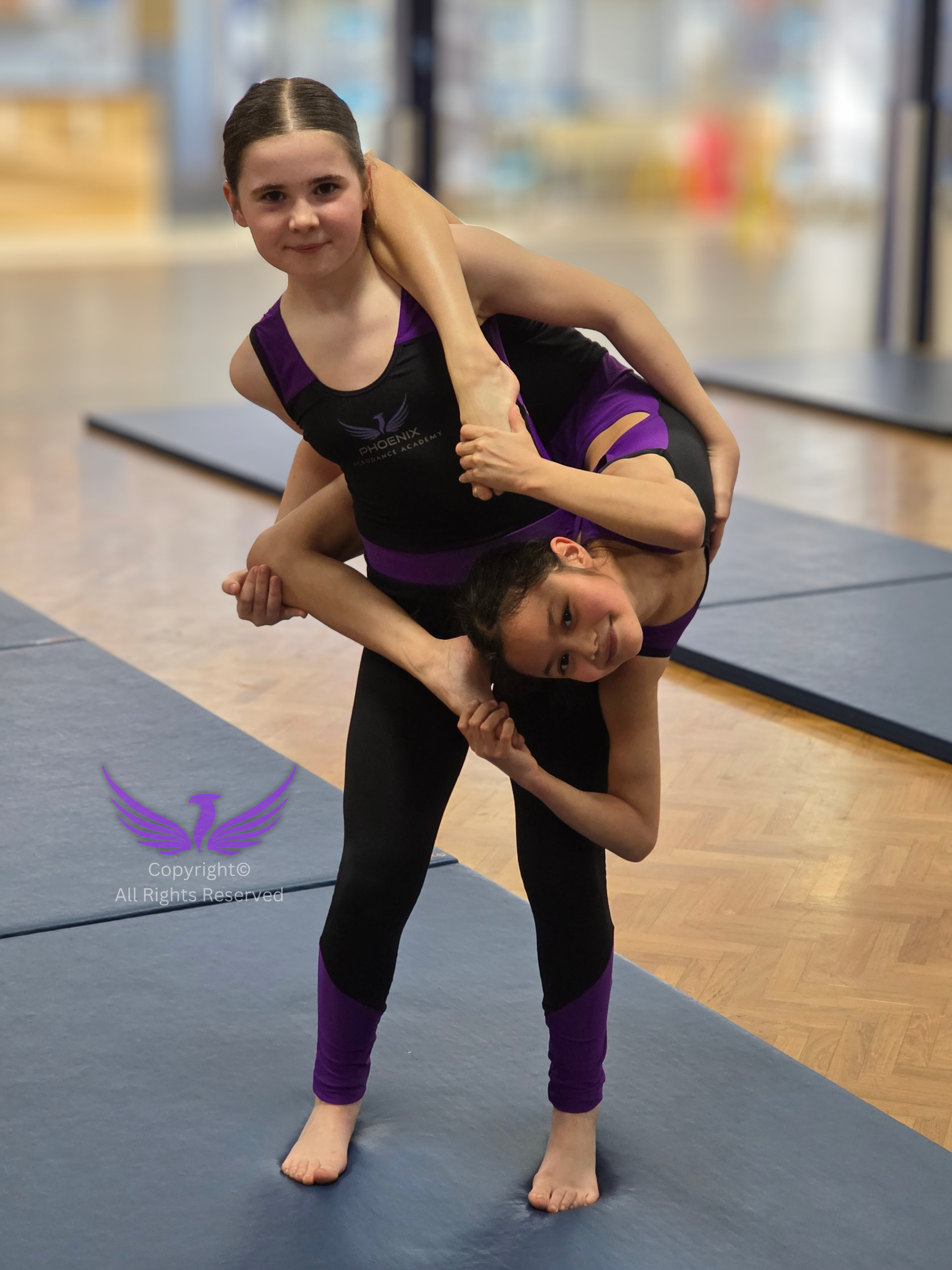
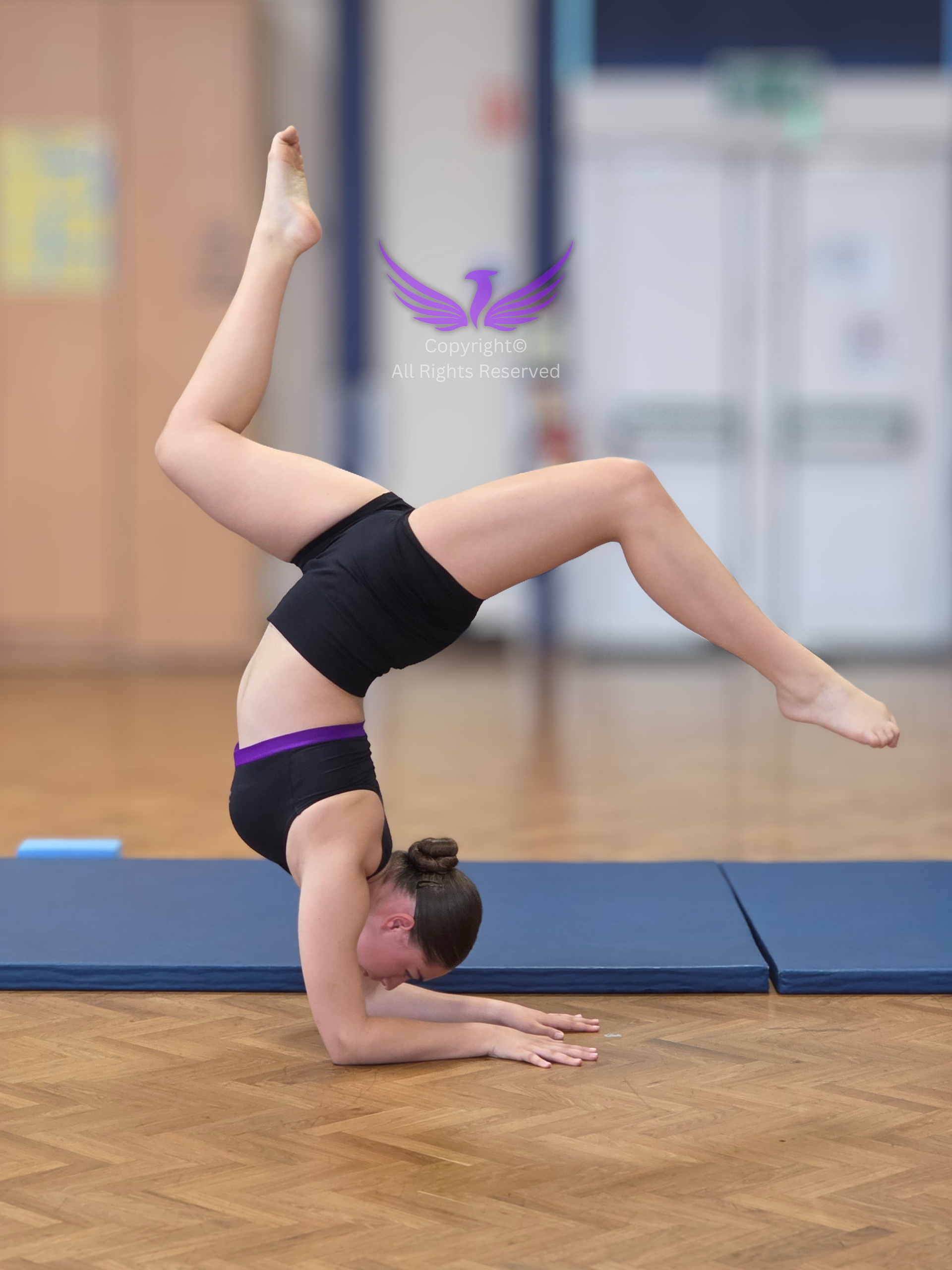
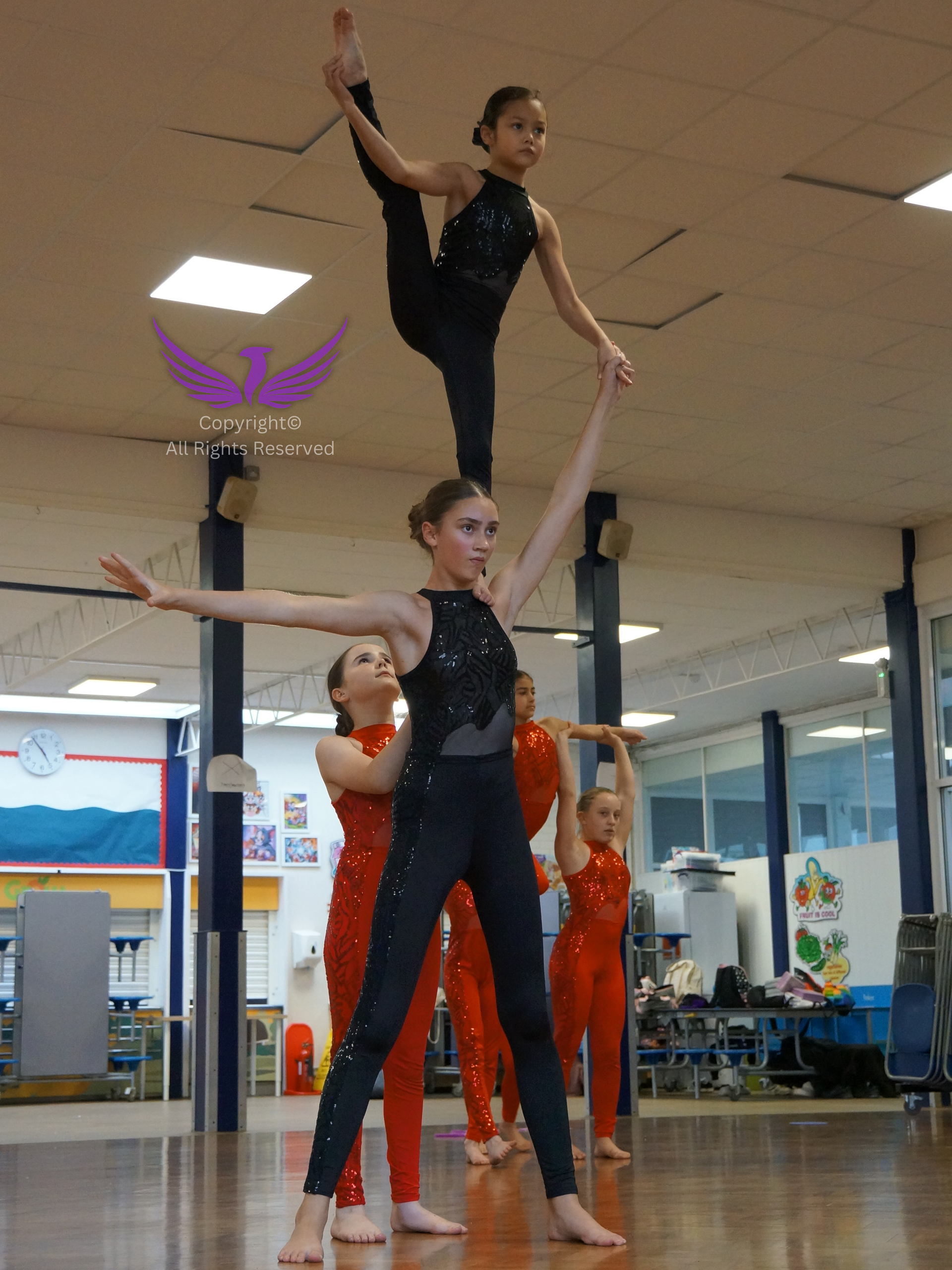
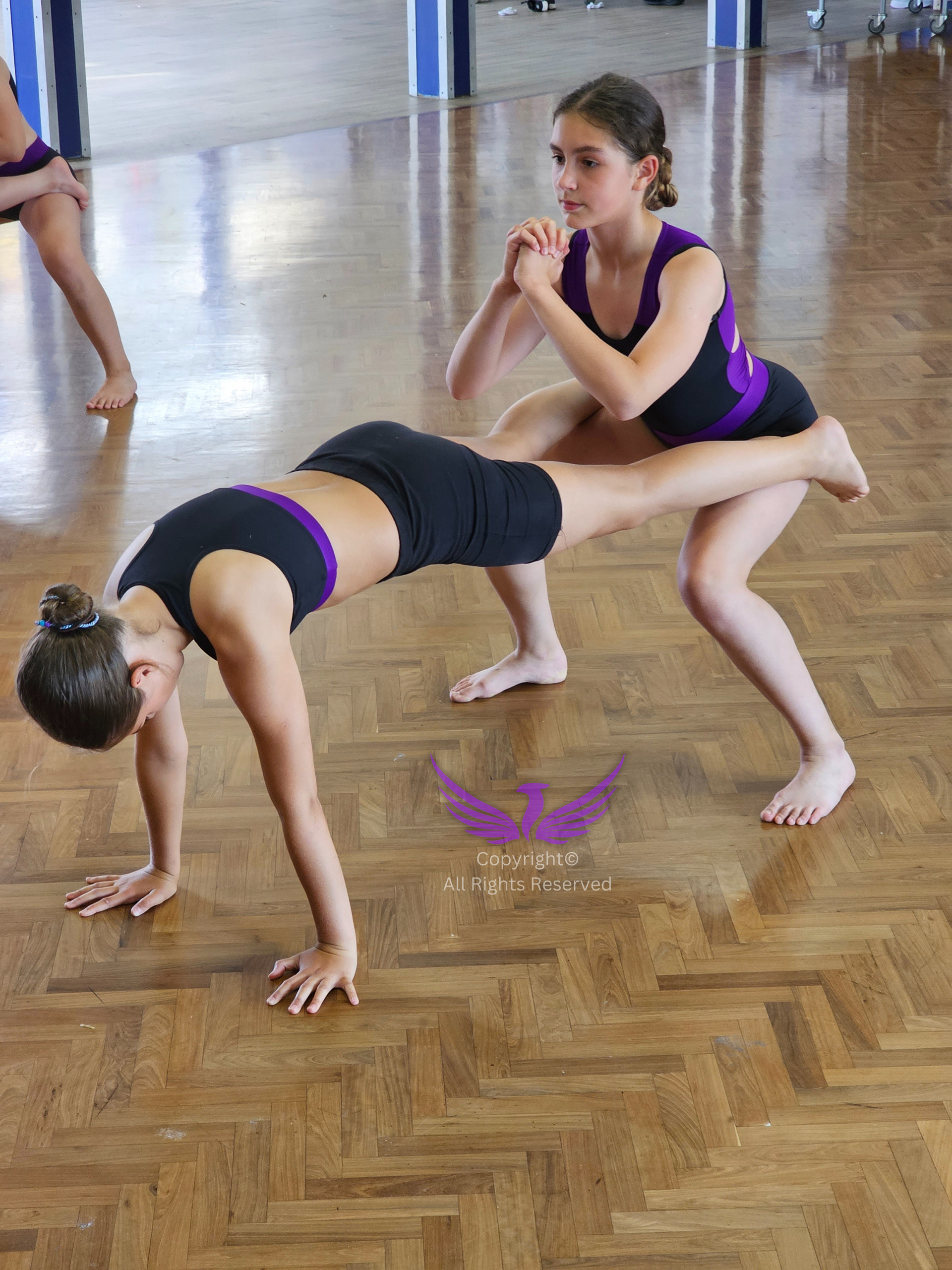
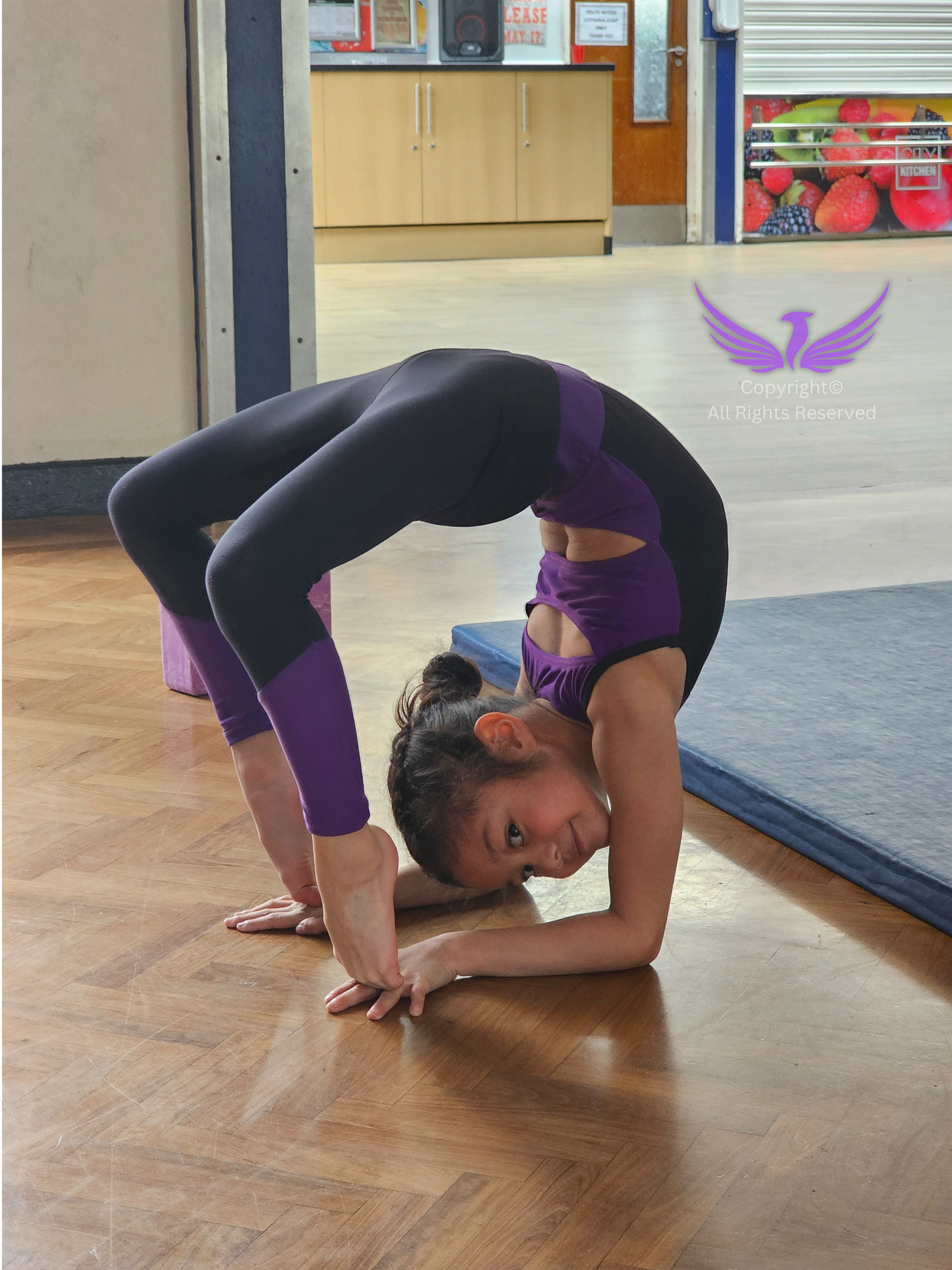
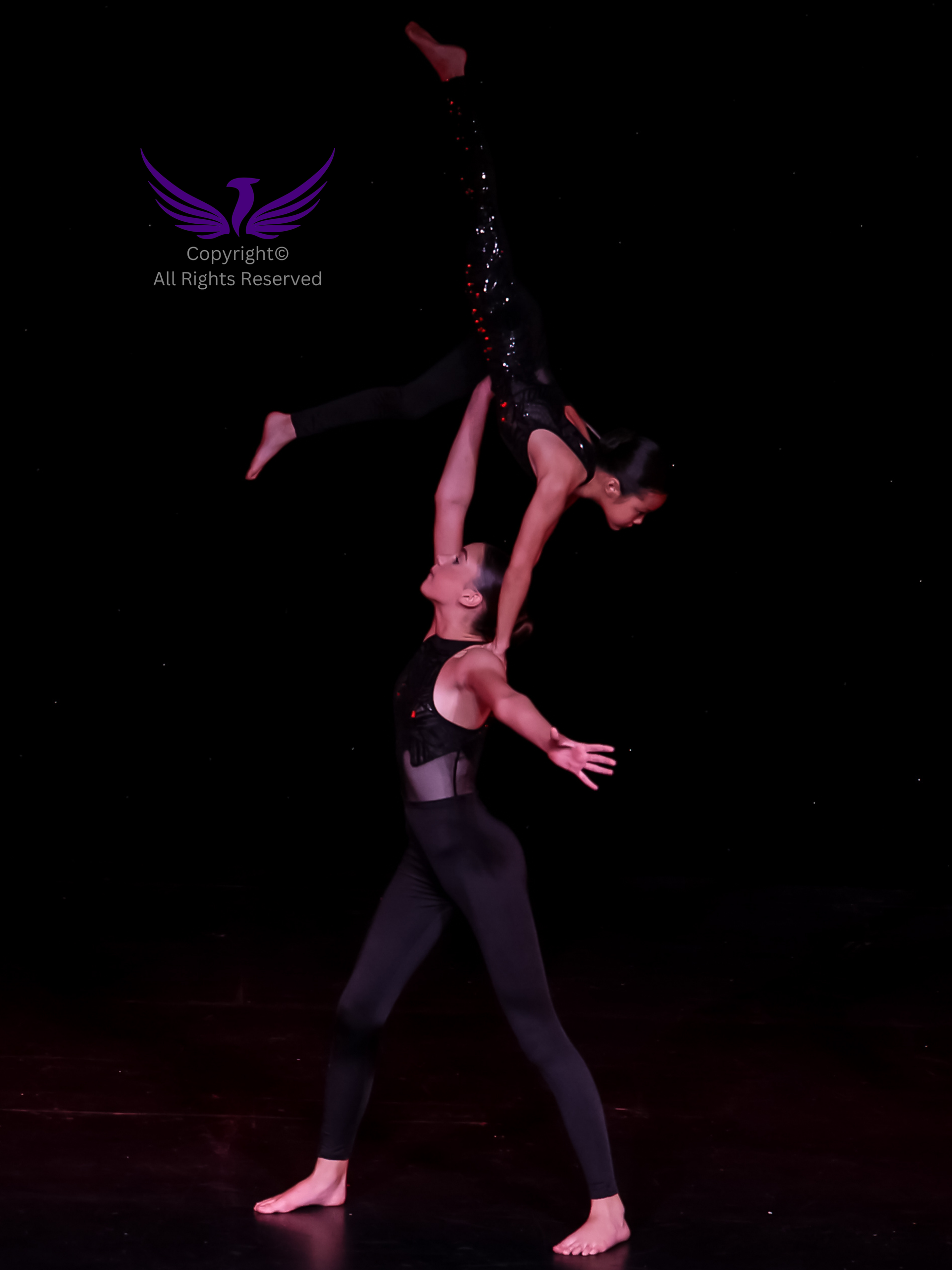
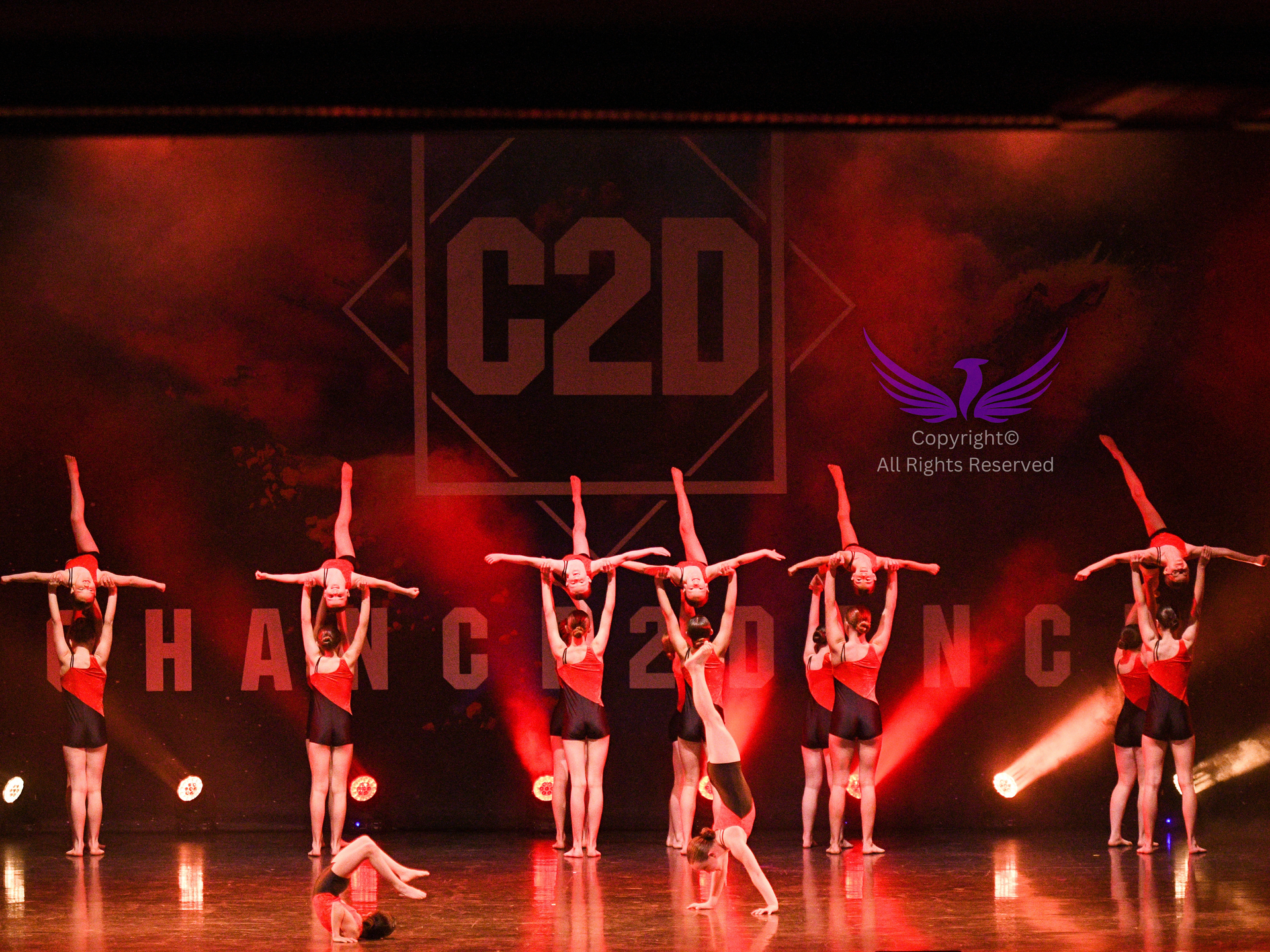
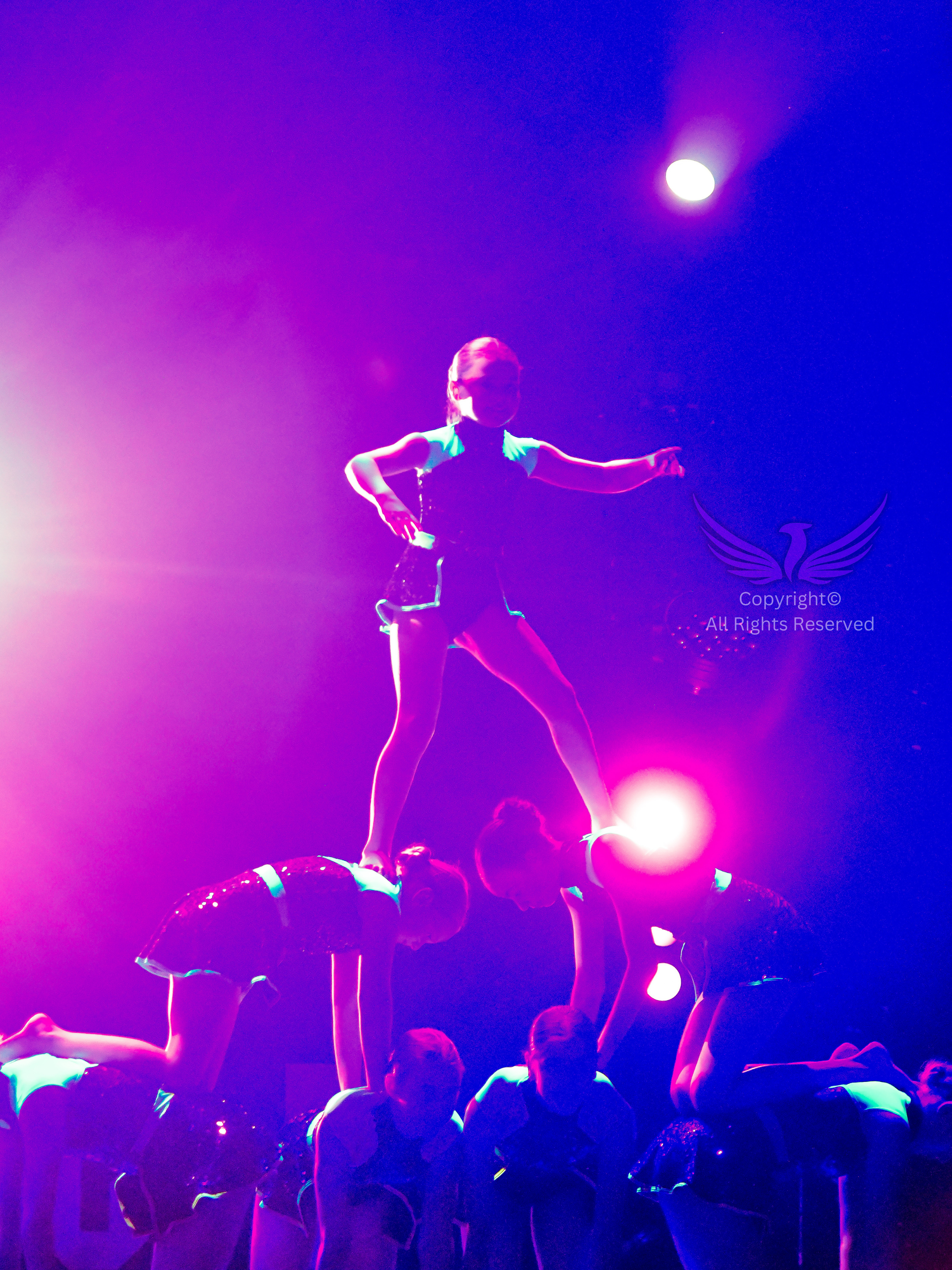
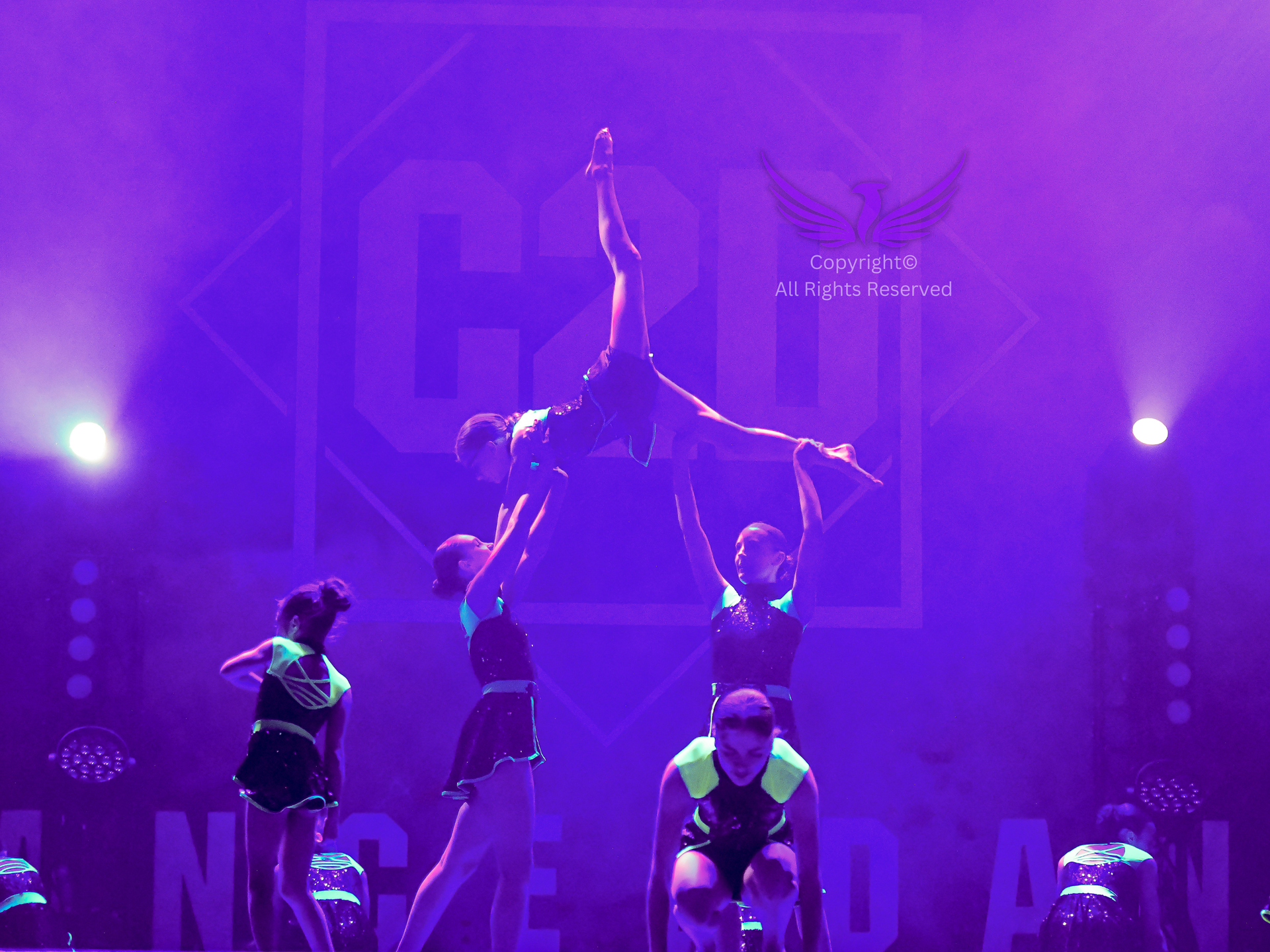
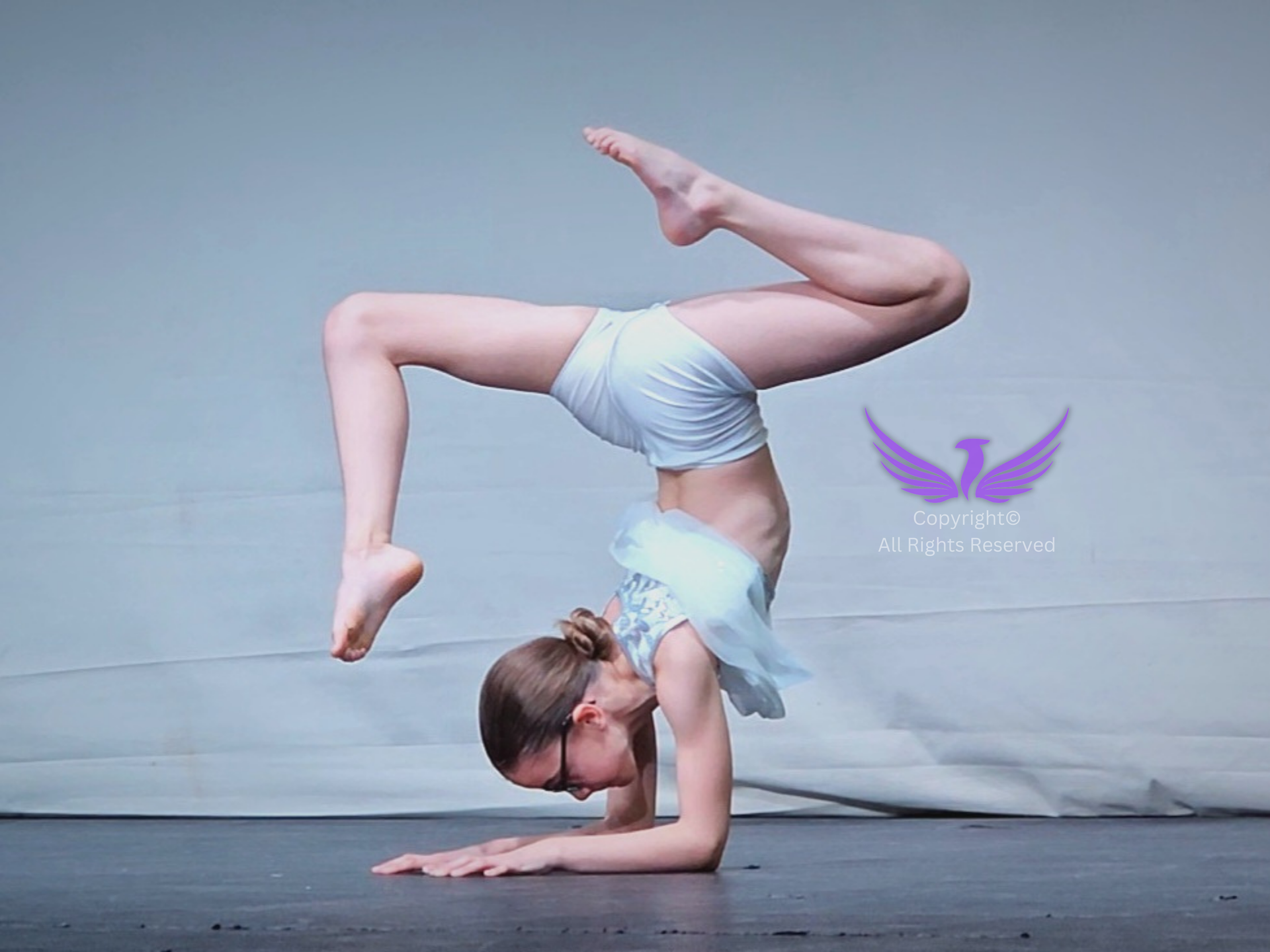
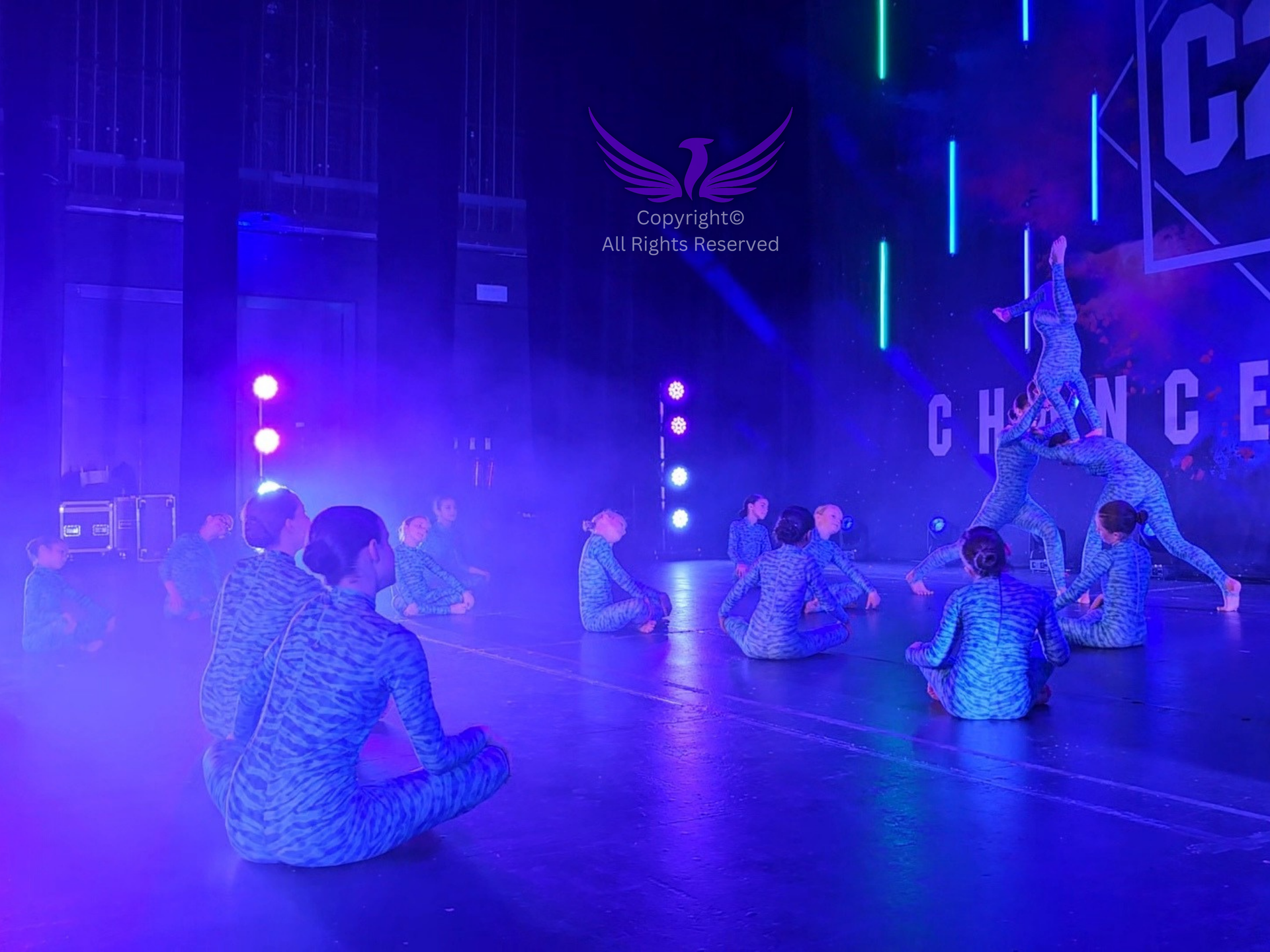
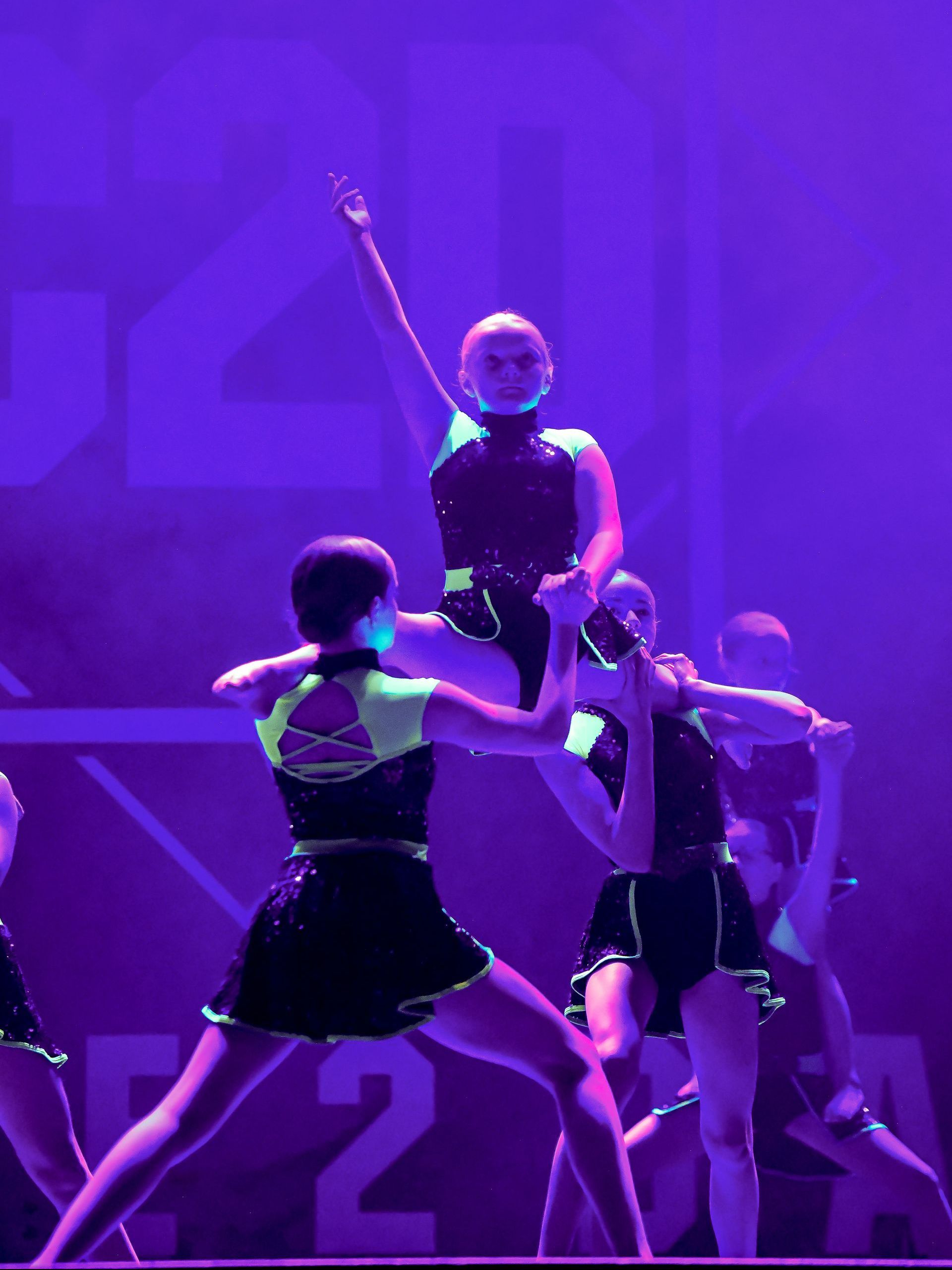
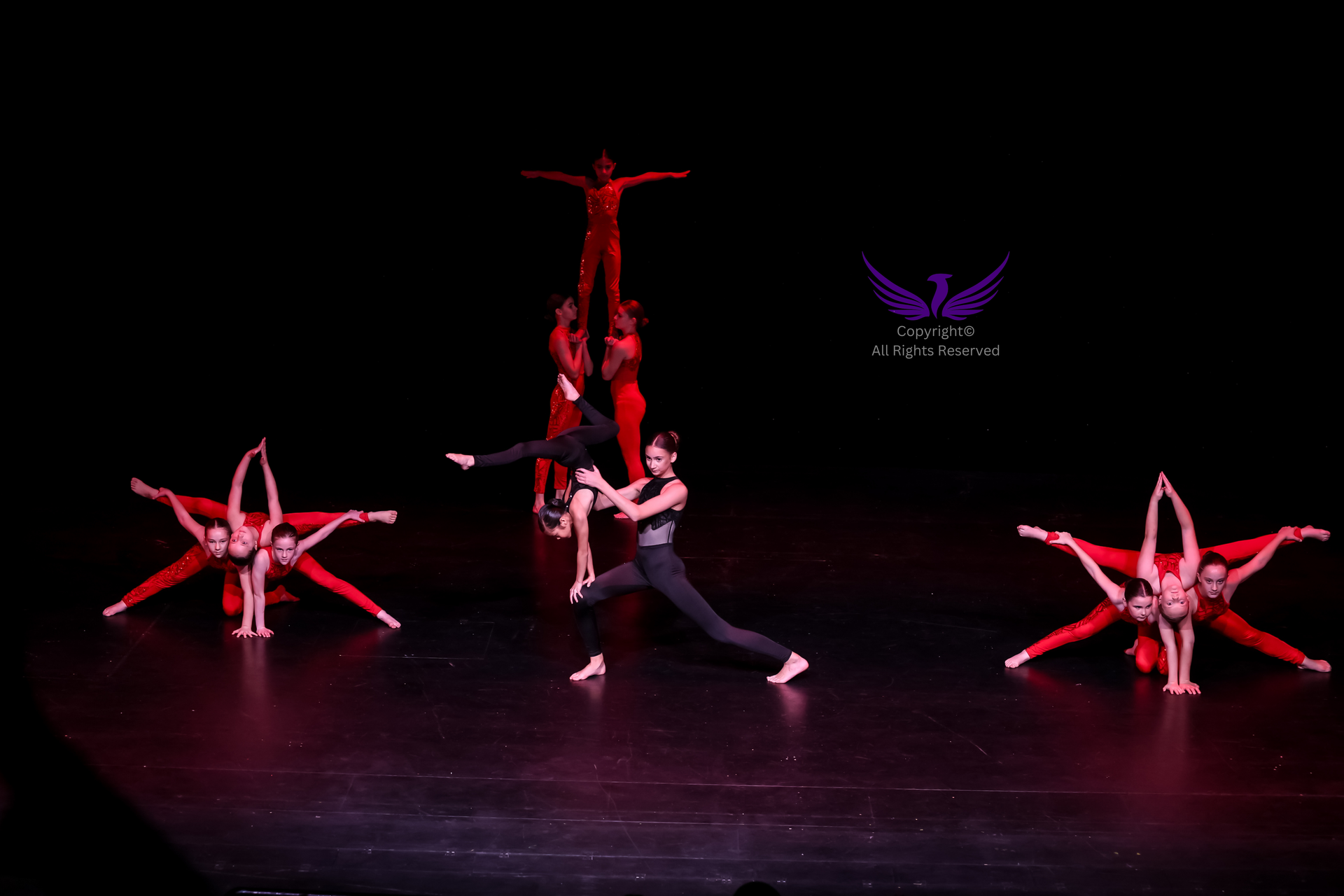
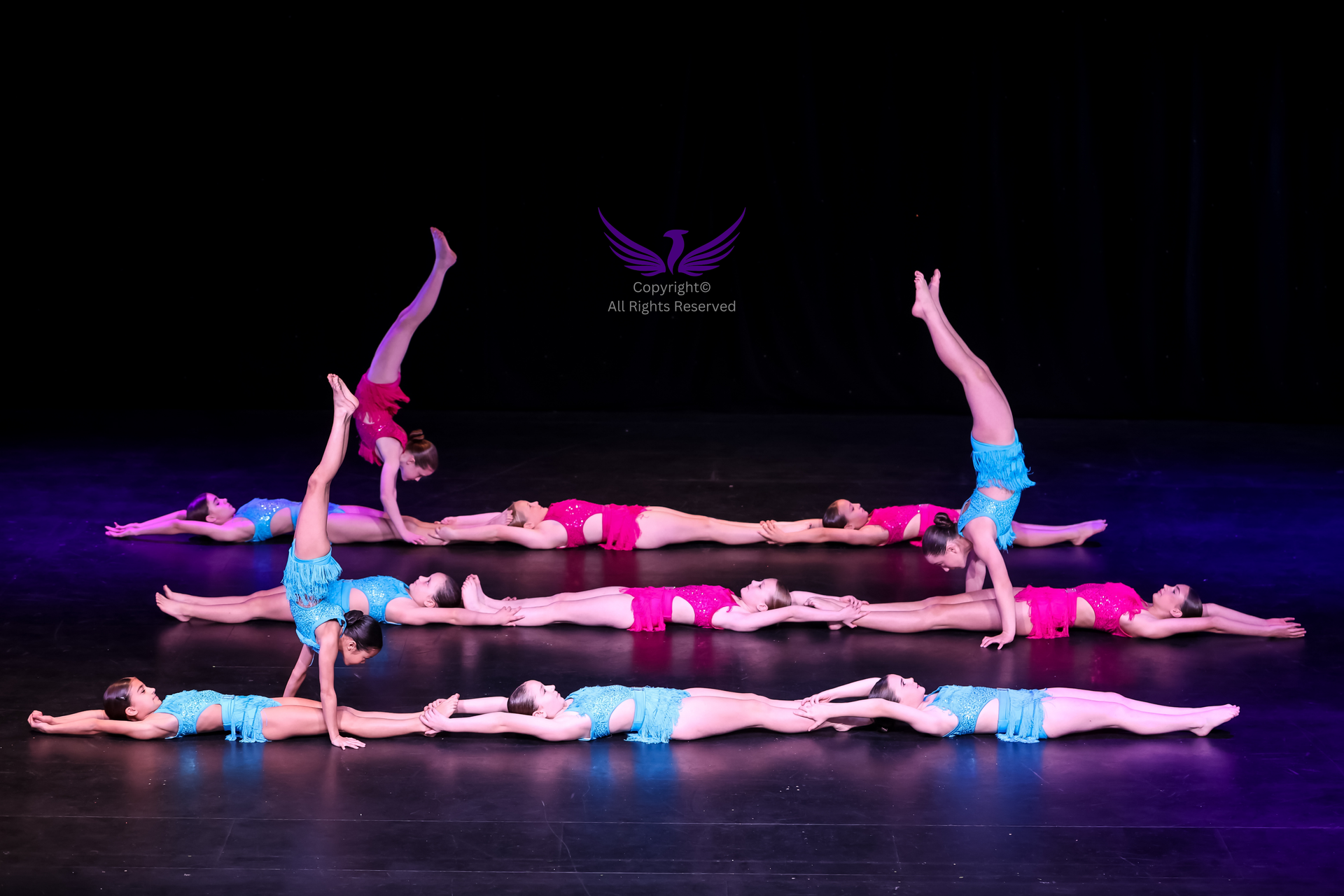
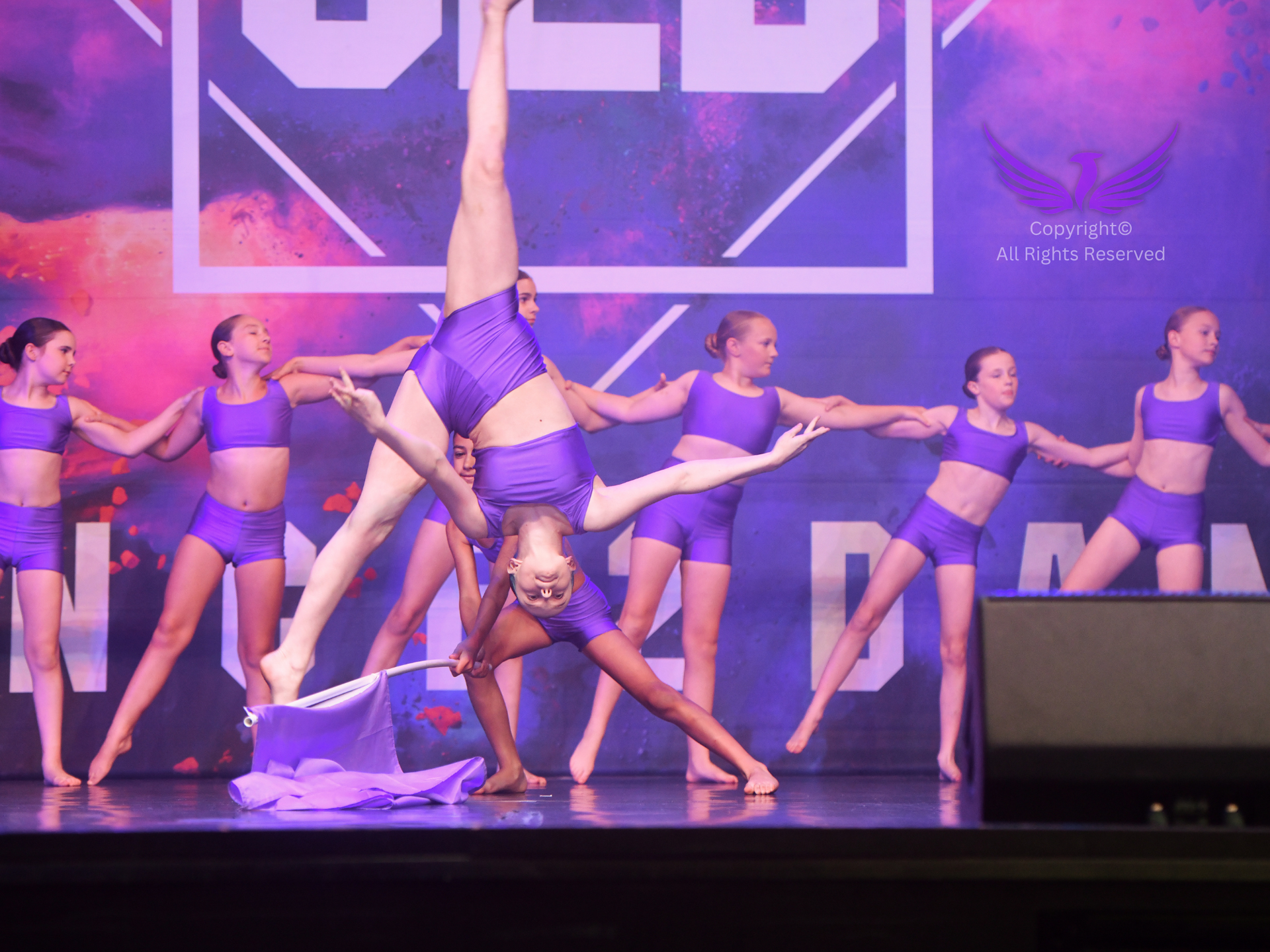
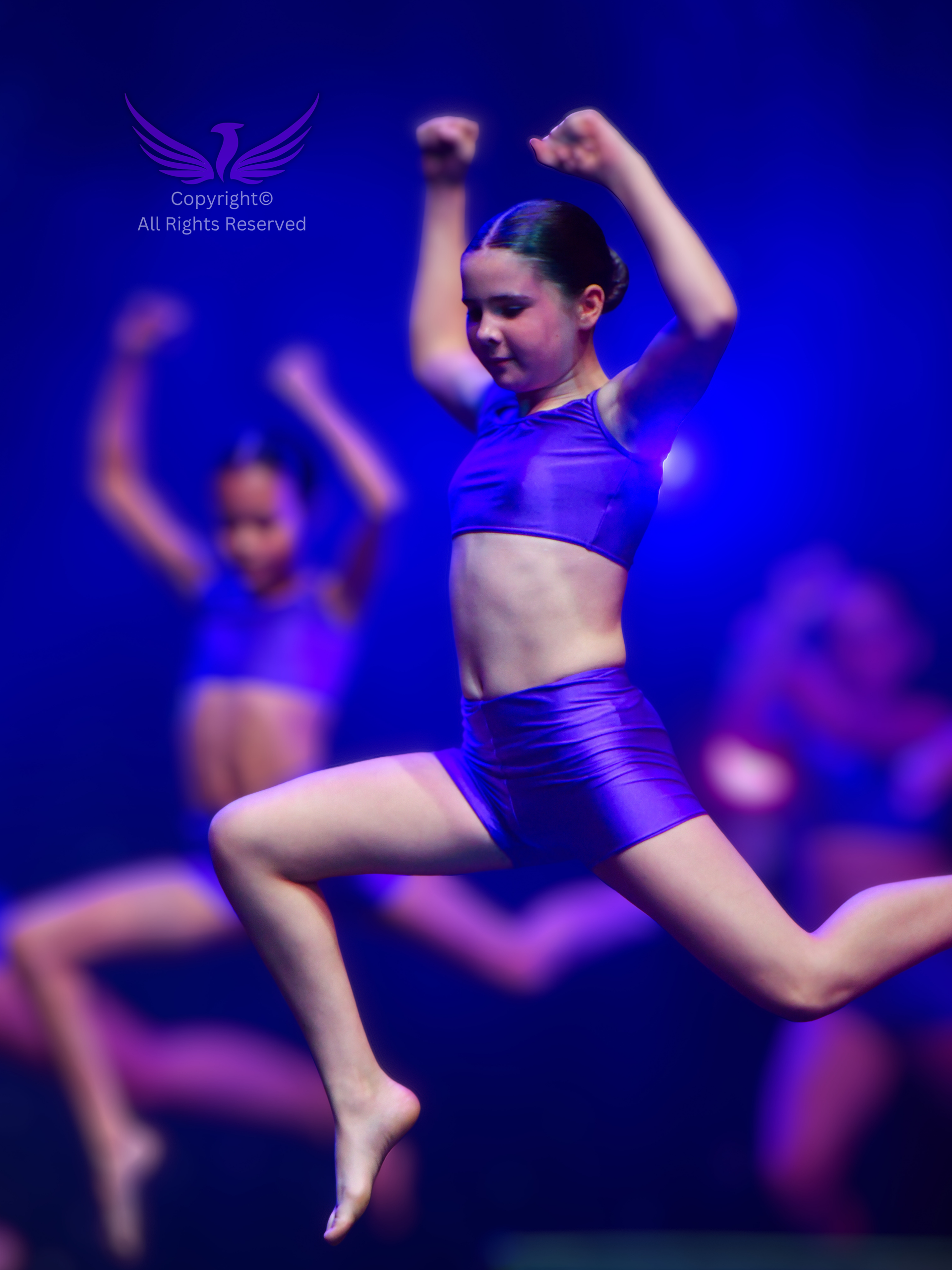
Acrobatic Dance, or acro as it is commonly referred to by dancers and dance professionals, is the beautiful fusion of classic dance technique and the precision and athleticism of acrobatic elements. Often defined by unique choreography, acro dancers seamlessly blend musicality, emotional expression, line and extension with acrobatic movements in a dance context.
Acro’s roots are in traditional Chinese dance, later appearing as a favoured style on the Vaudeville stage. More recently, acro gained popularity with the wide spread success of the contemporary circus productions of Cirque du Soleil. Main stream media including dance television programs like ‘So You Think You Can Dance’, ‘America’s Best Dance Crew’ and ‘Dance Moms’ have further fuelled it’s demand in amateur competitive dance and studio settings.
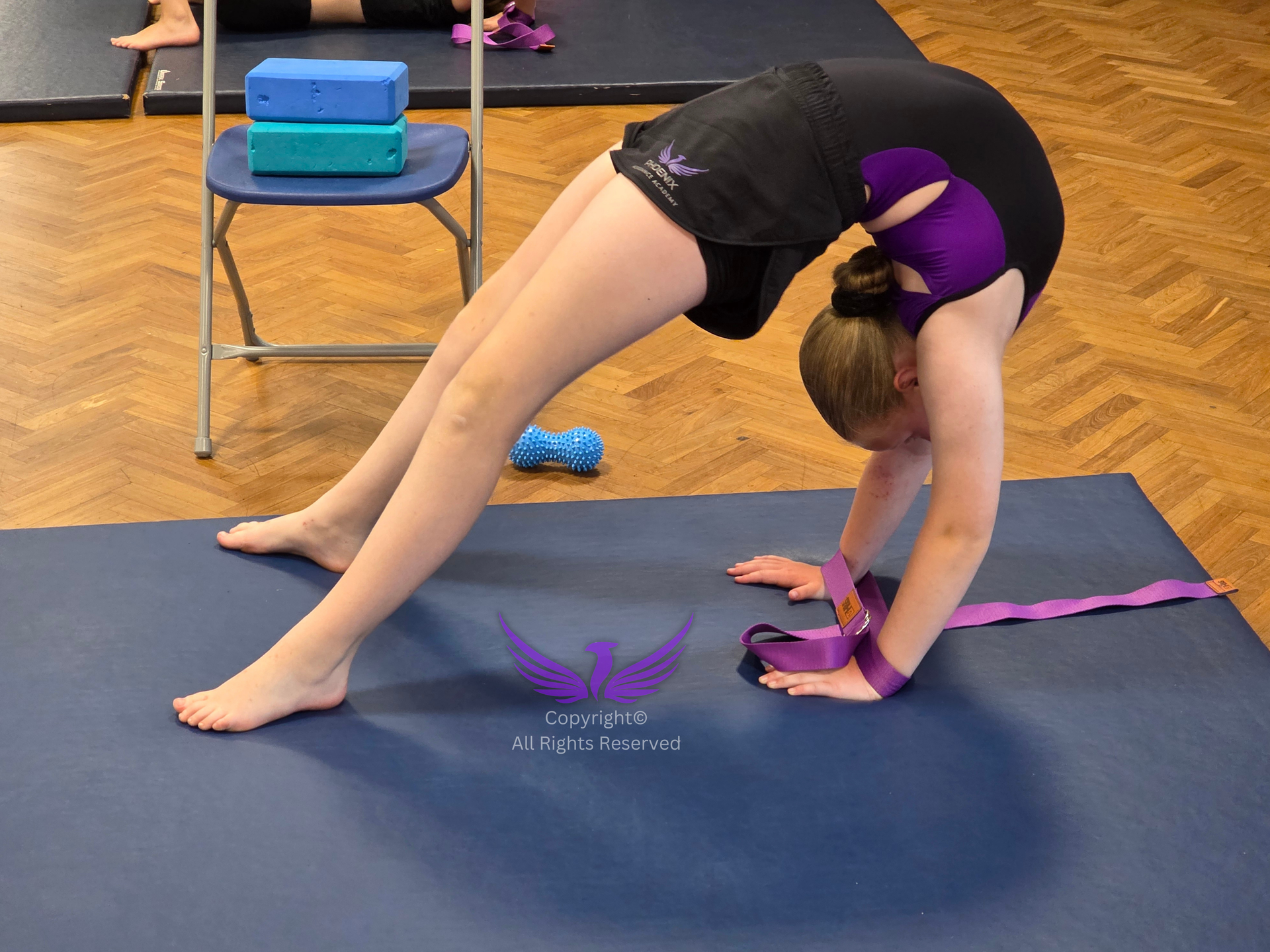
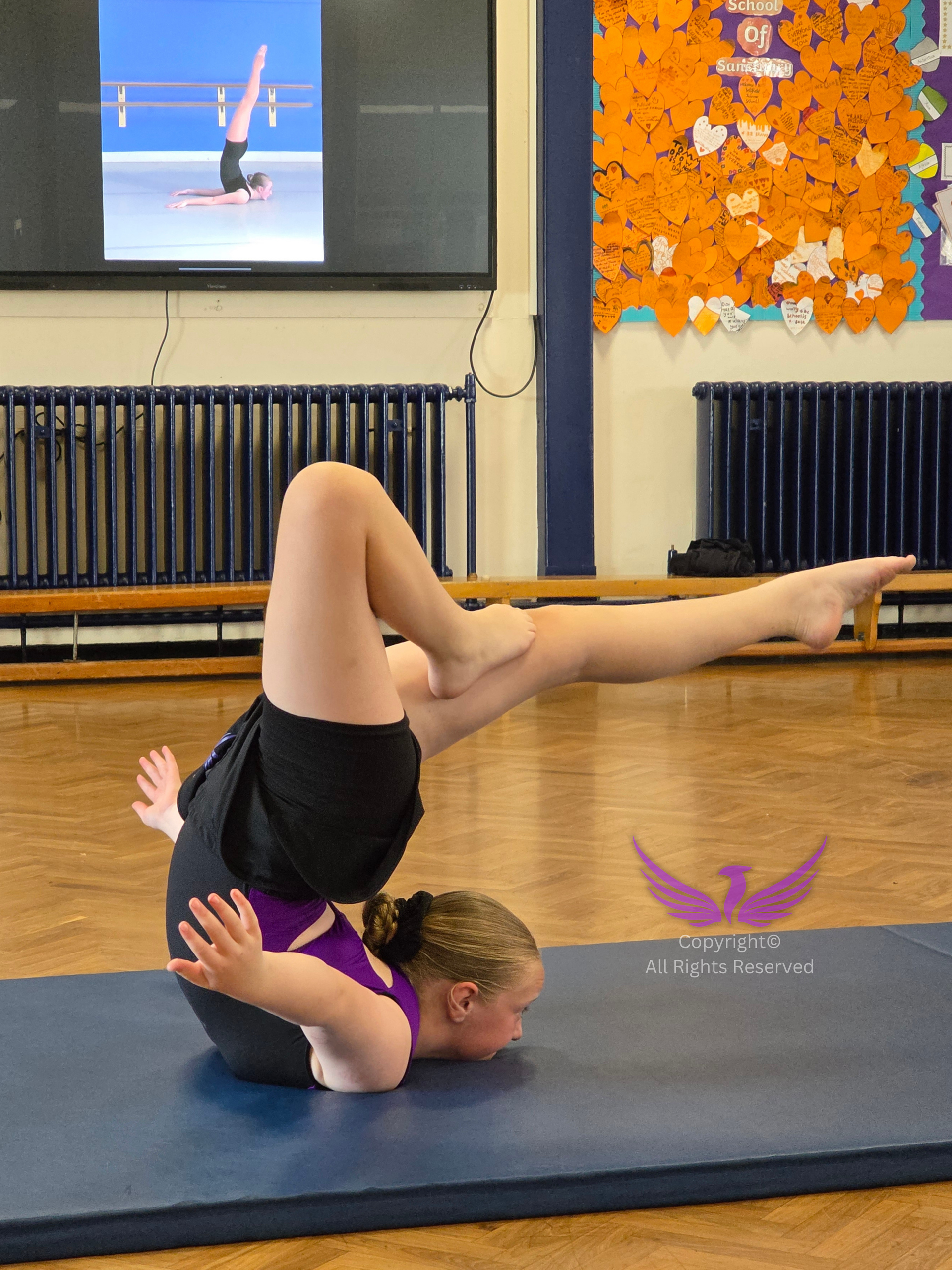
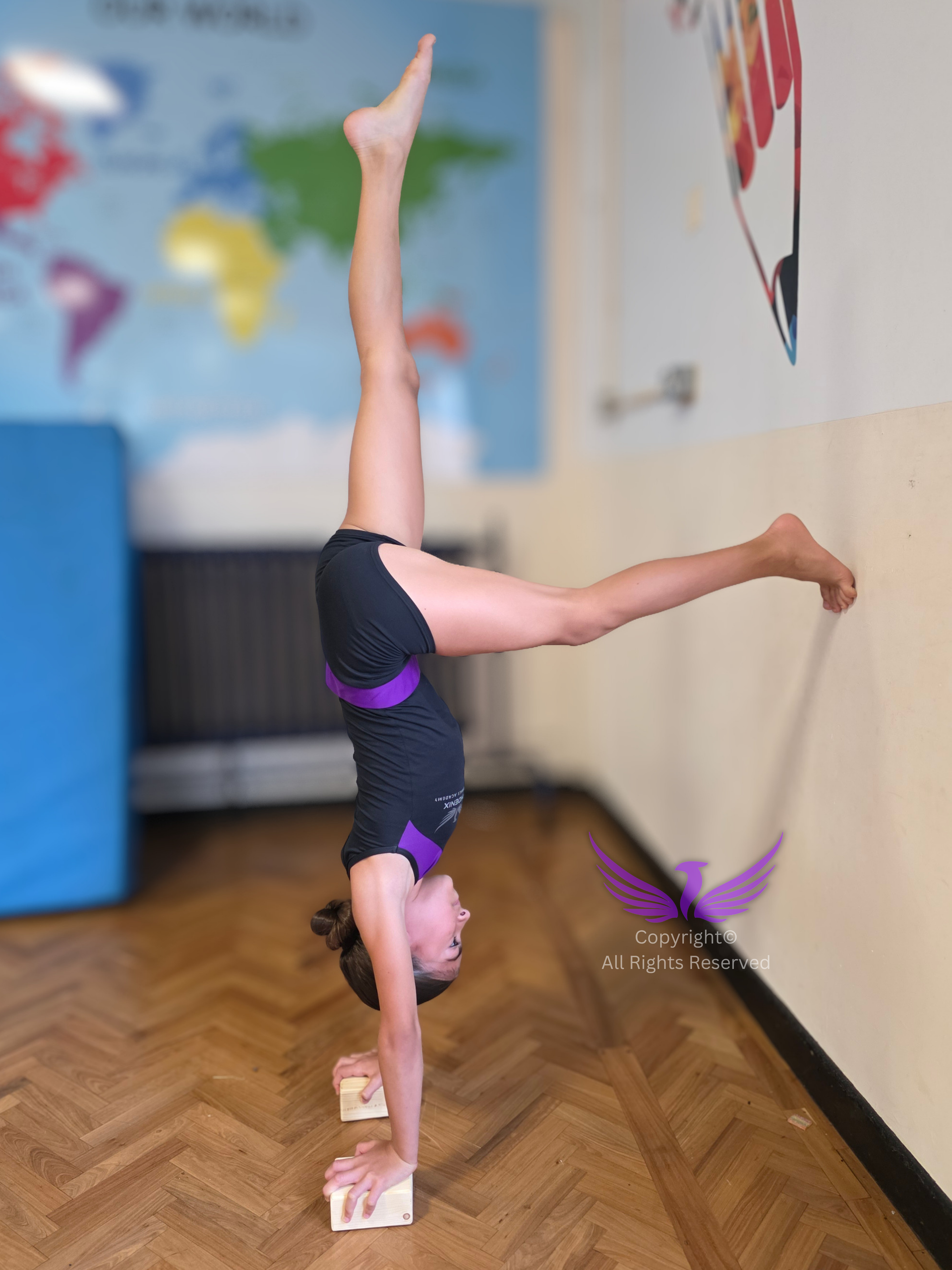
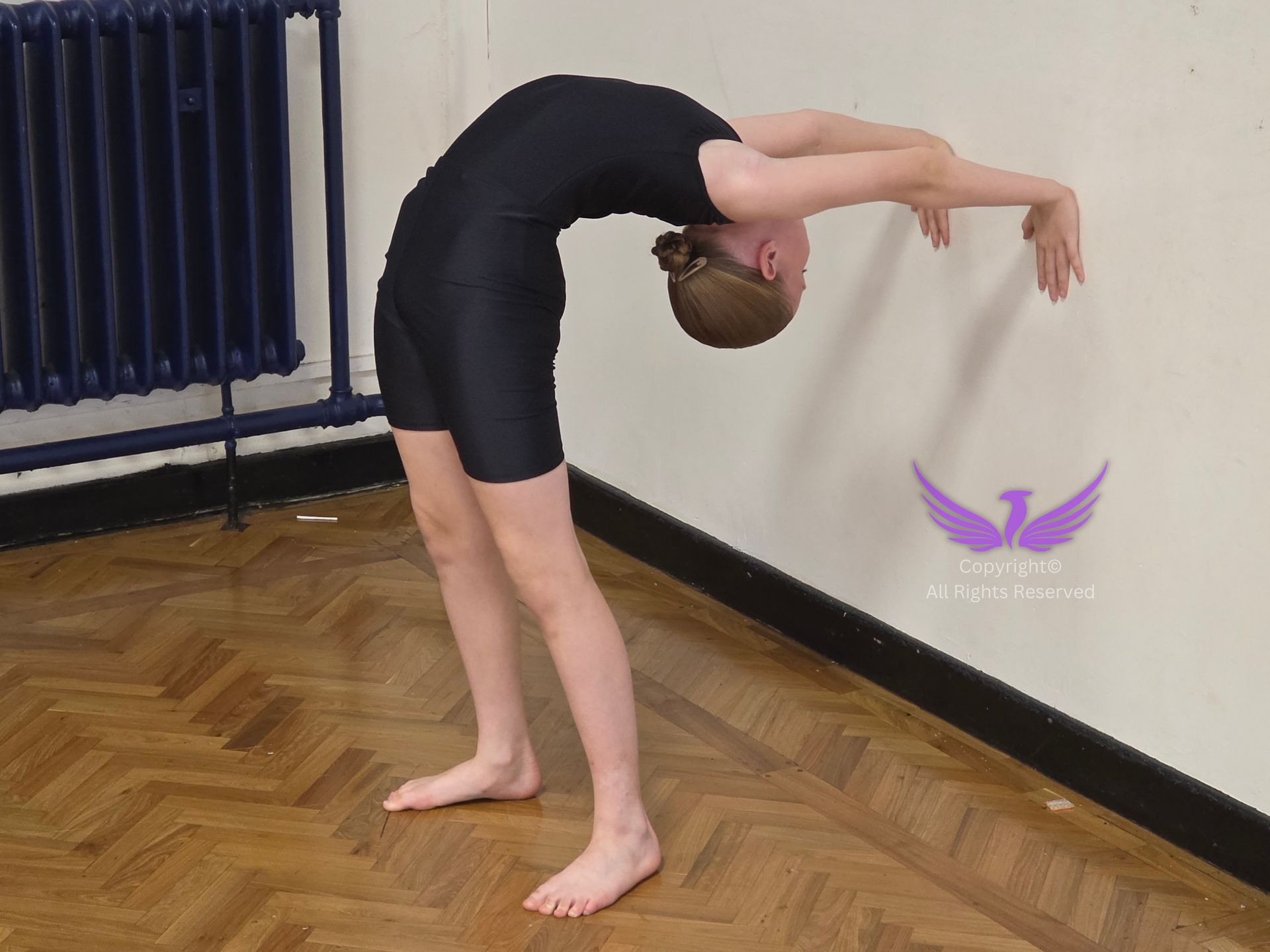
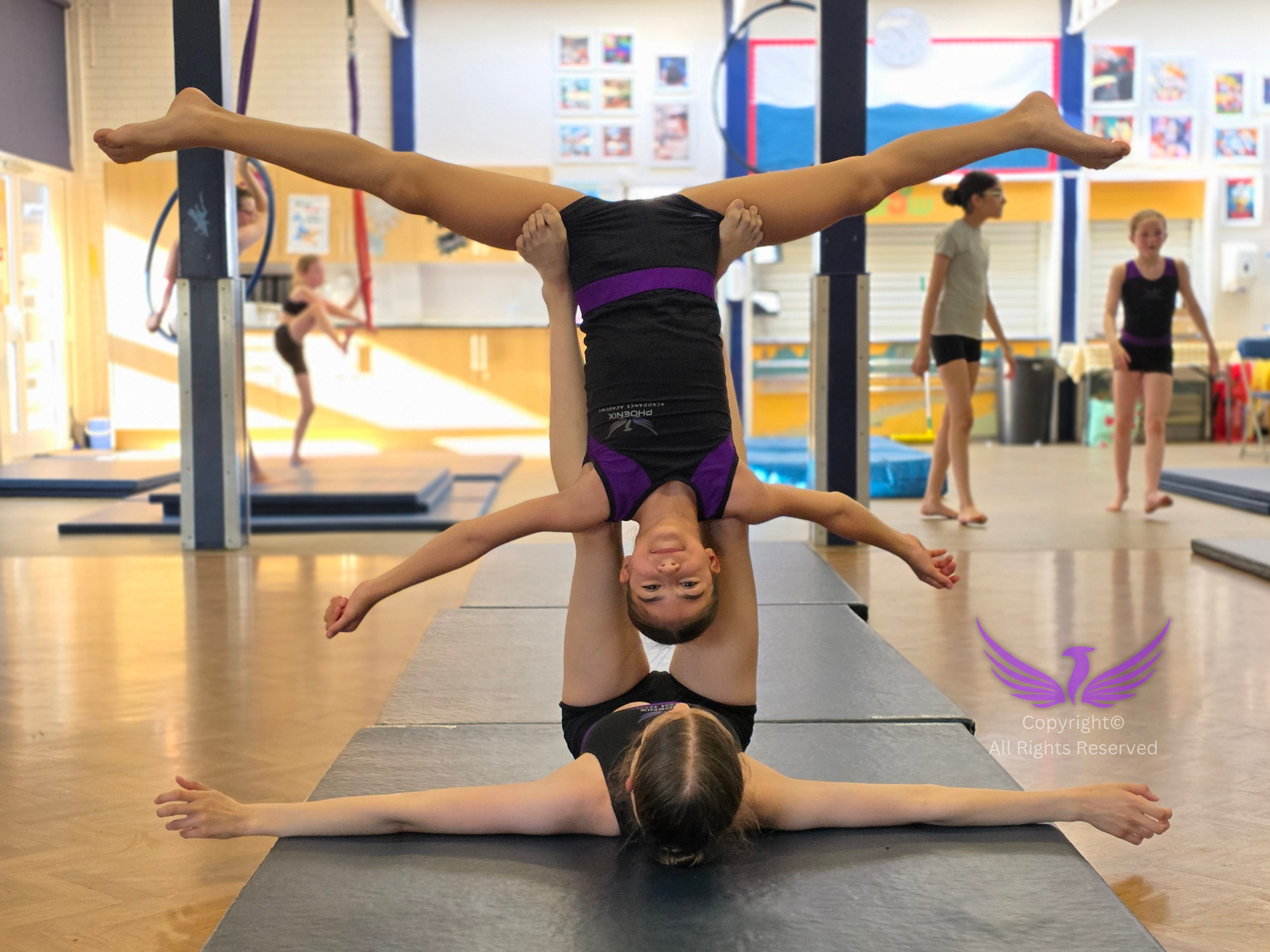
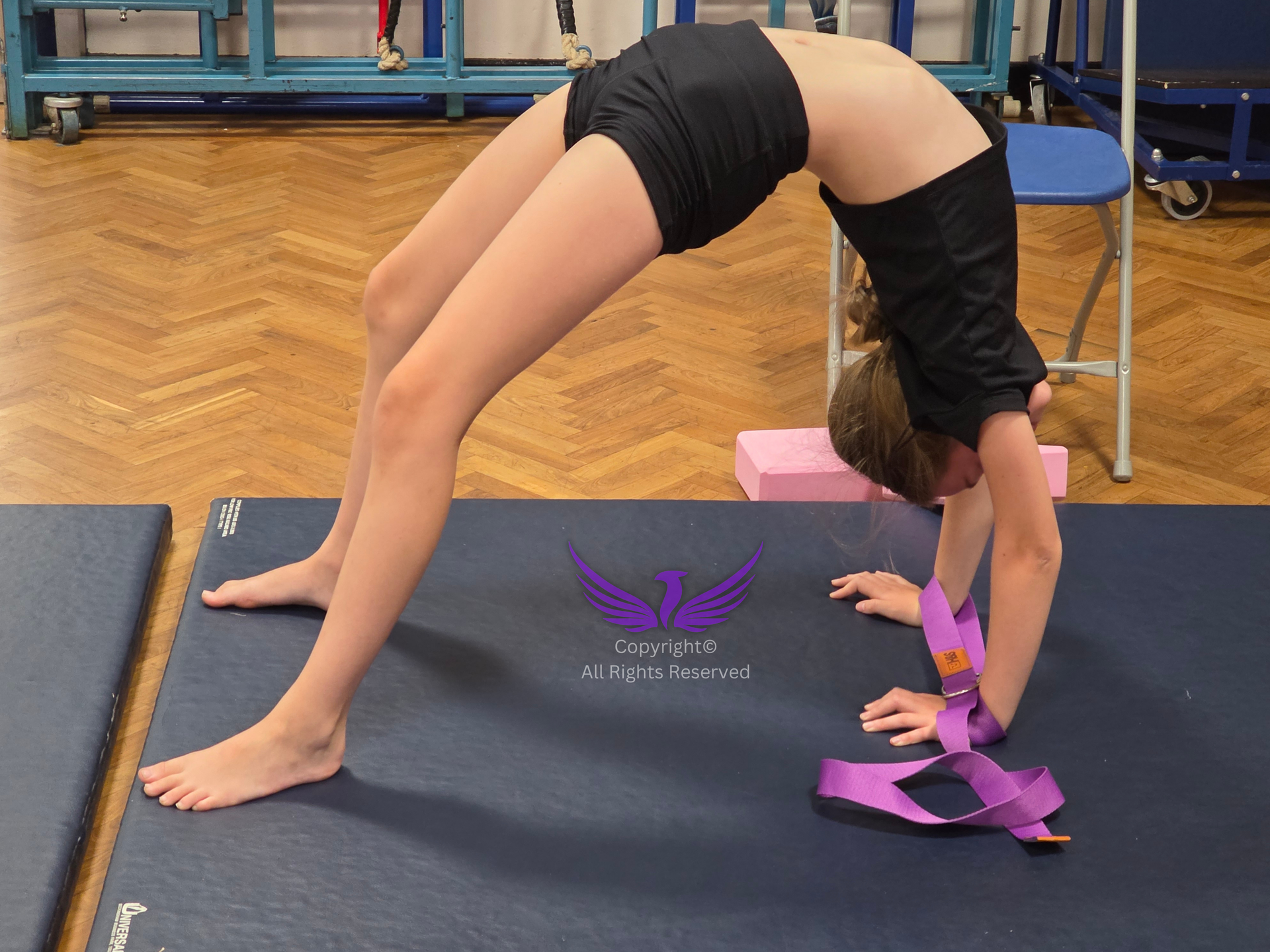
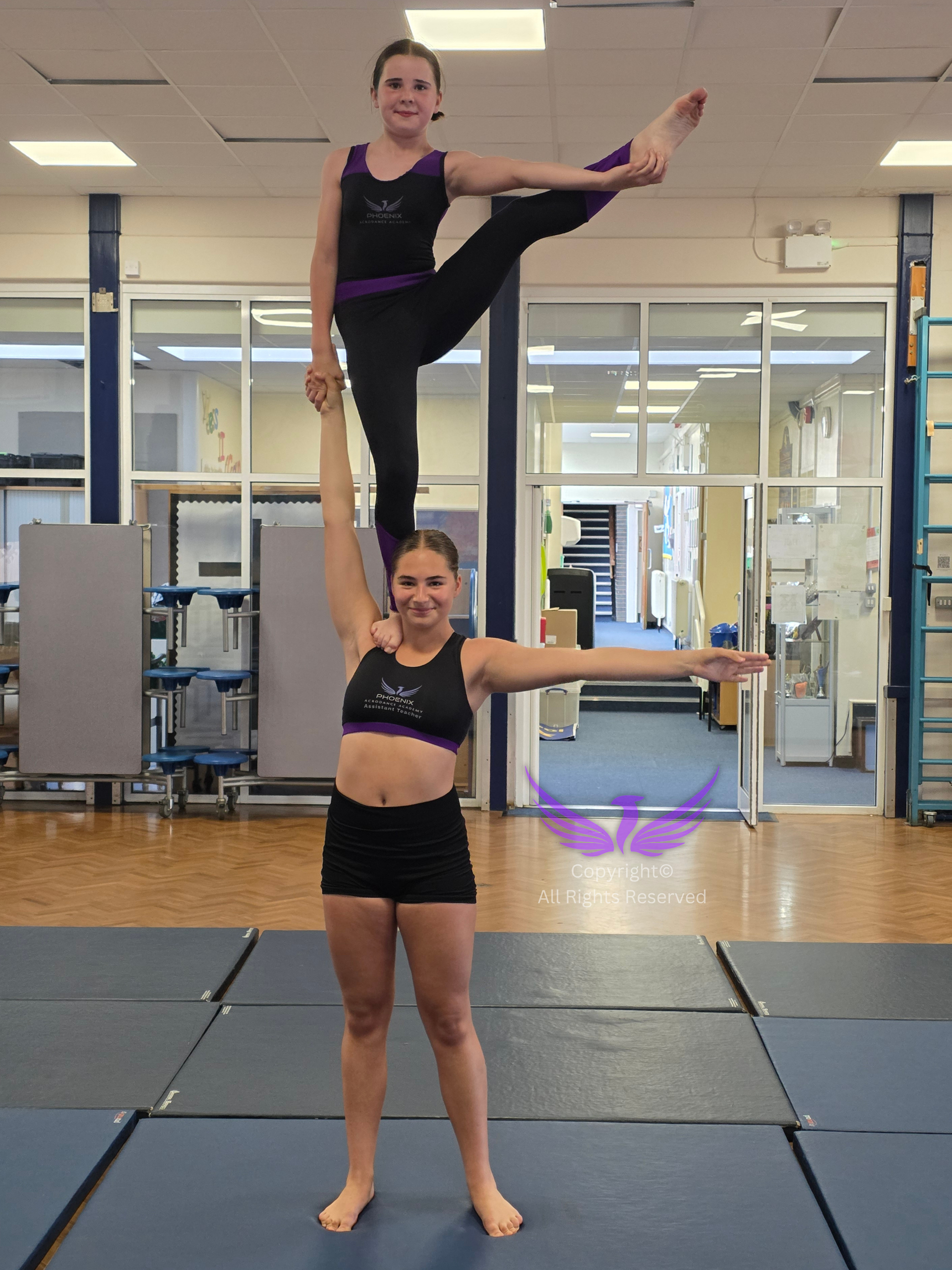
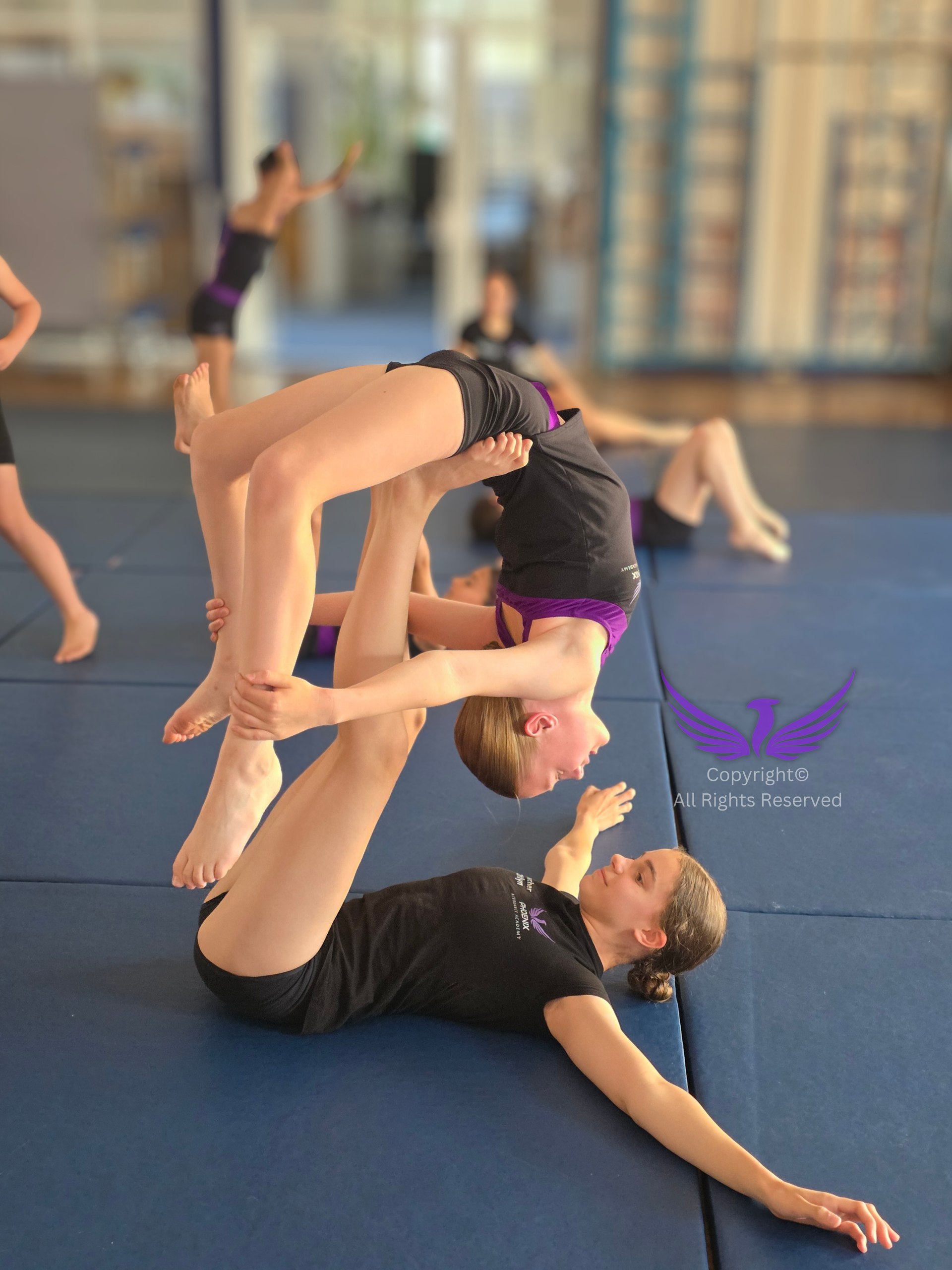
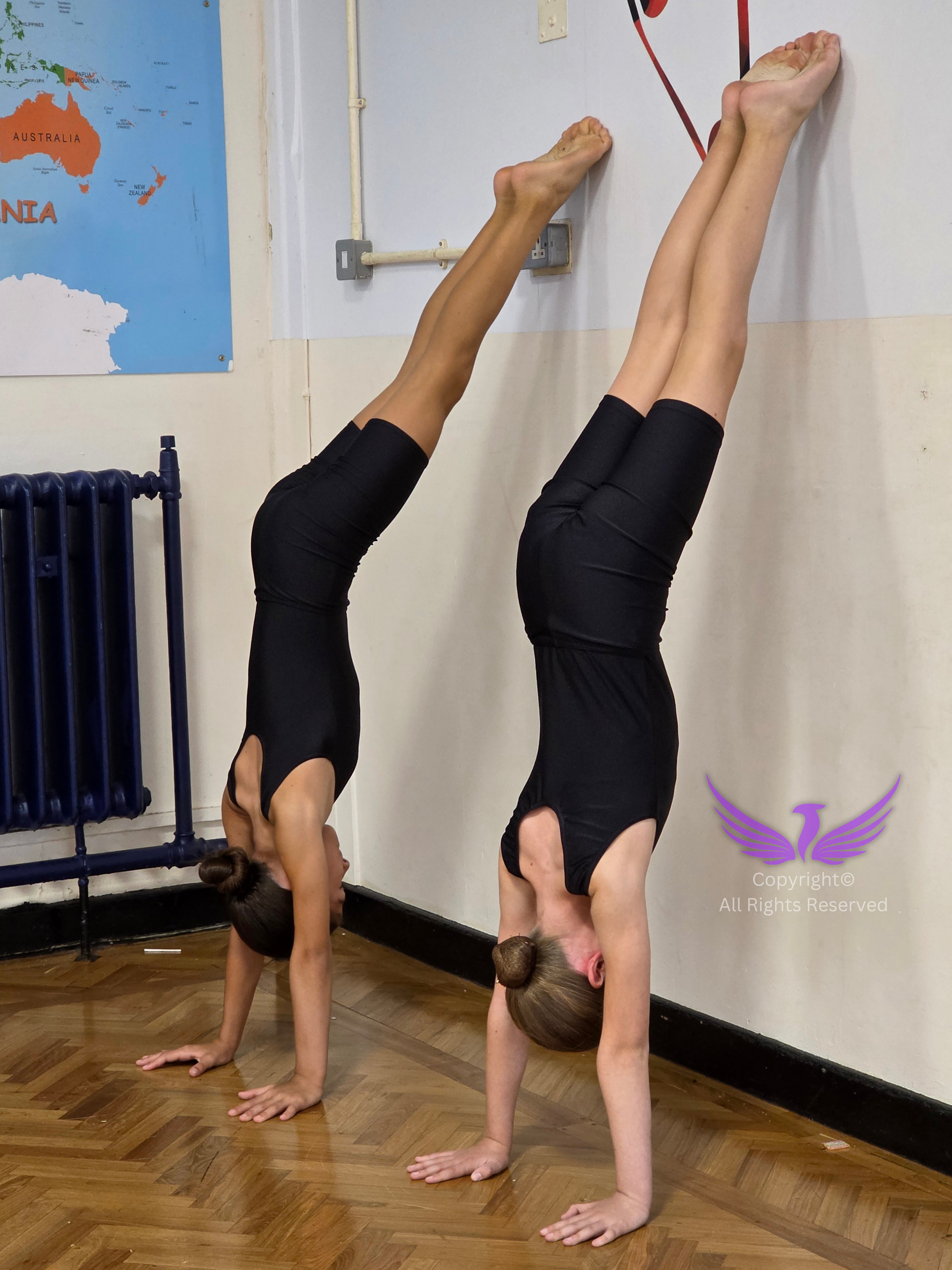
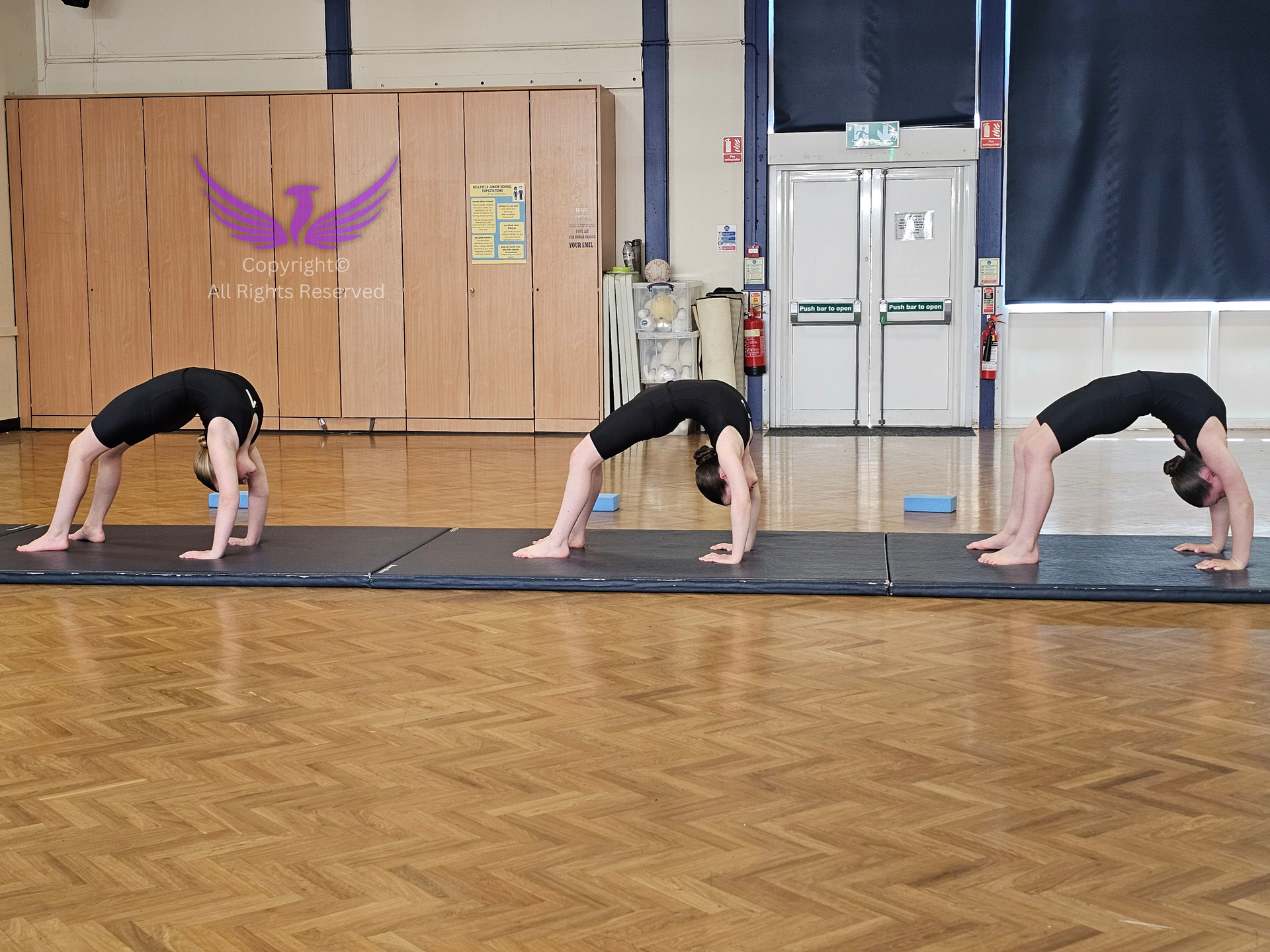
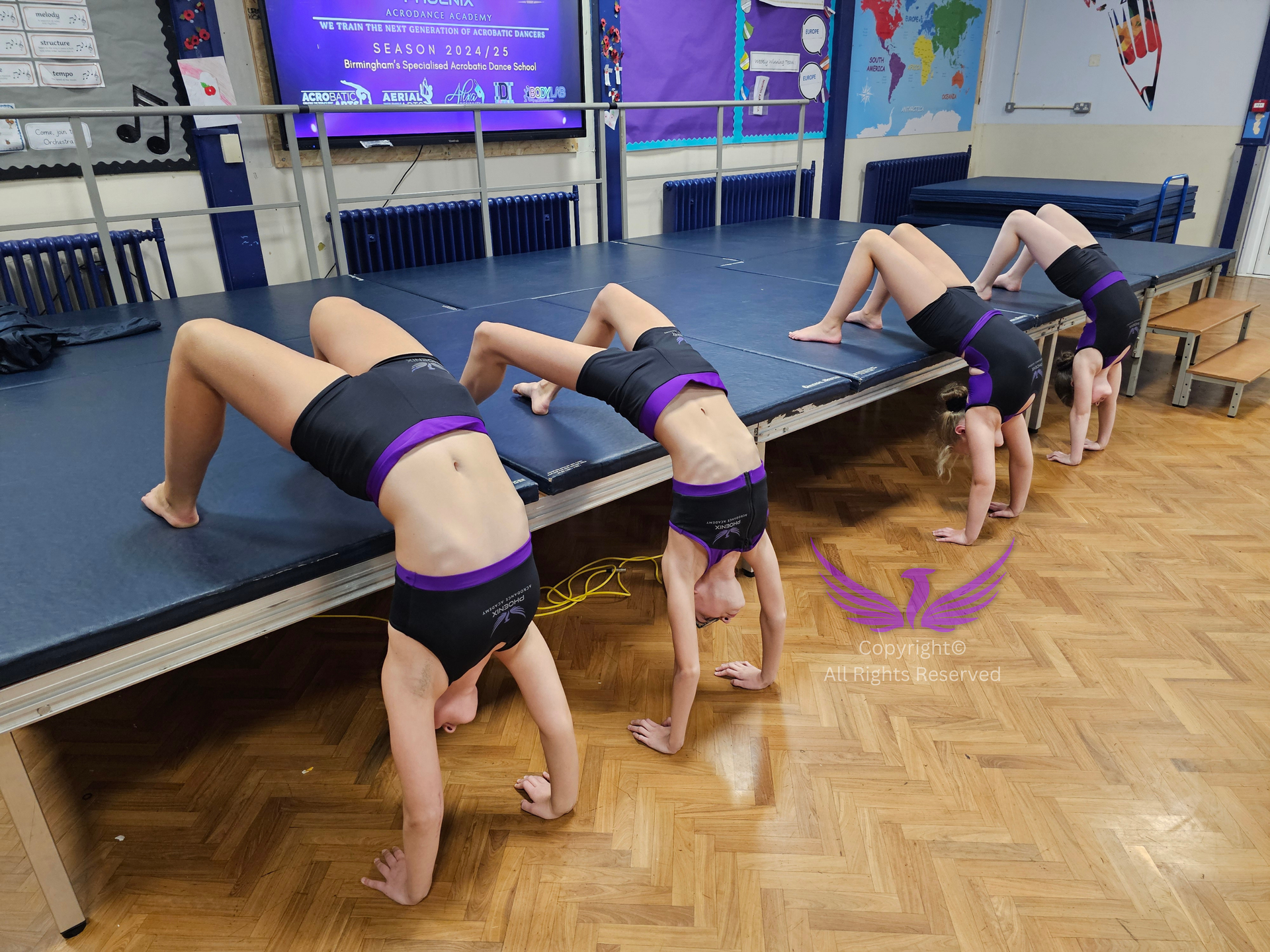
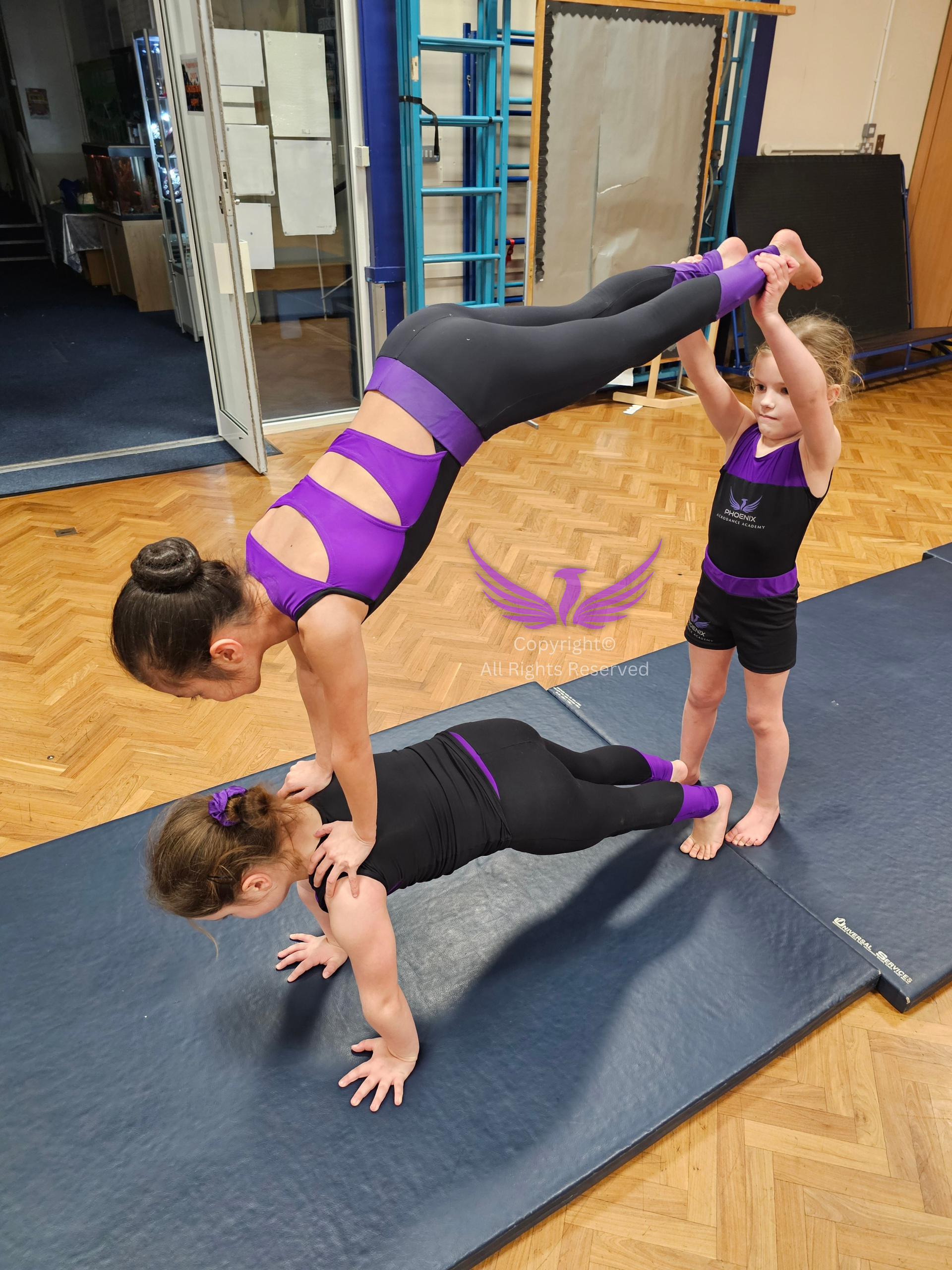
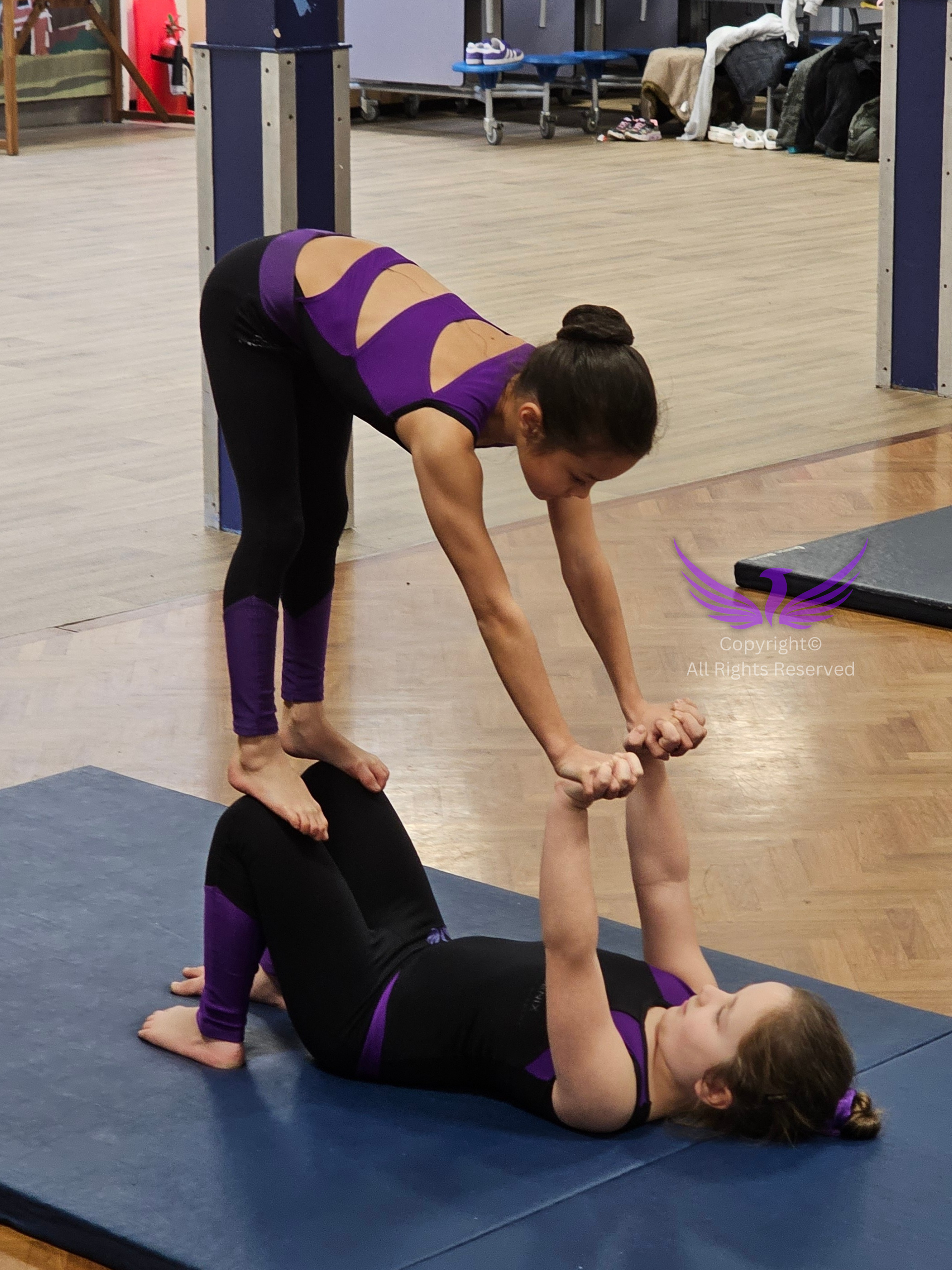
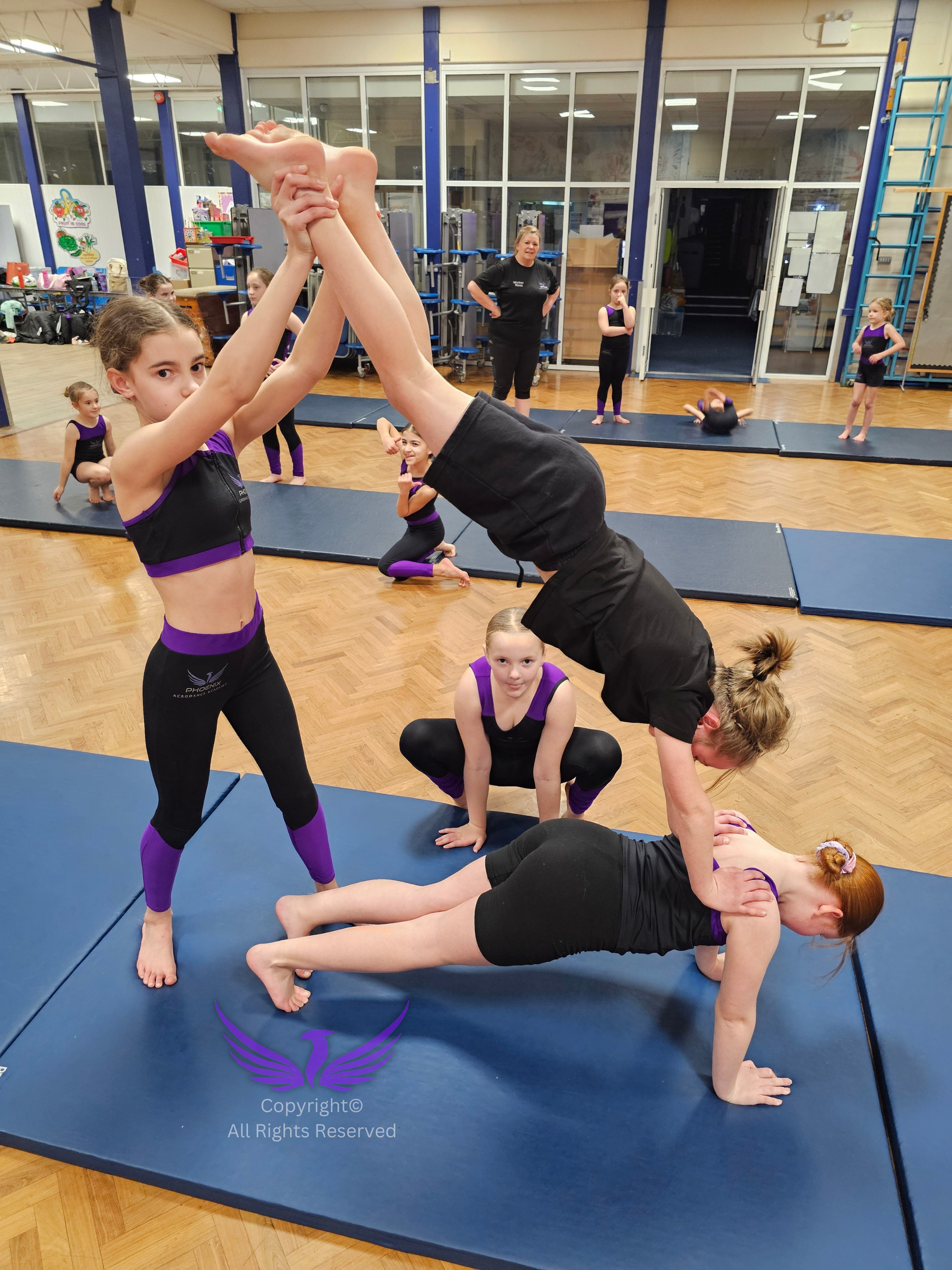
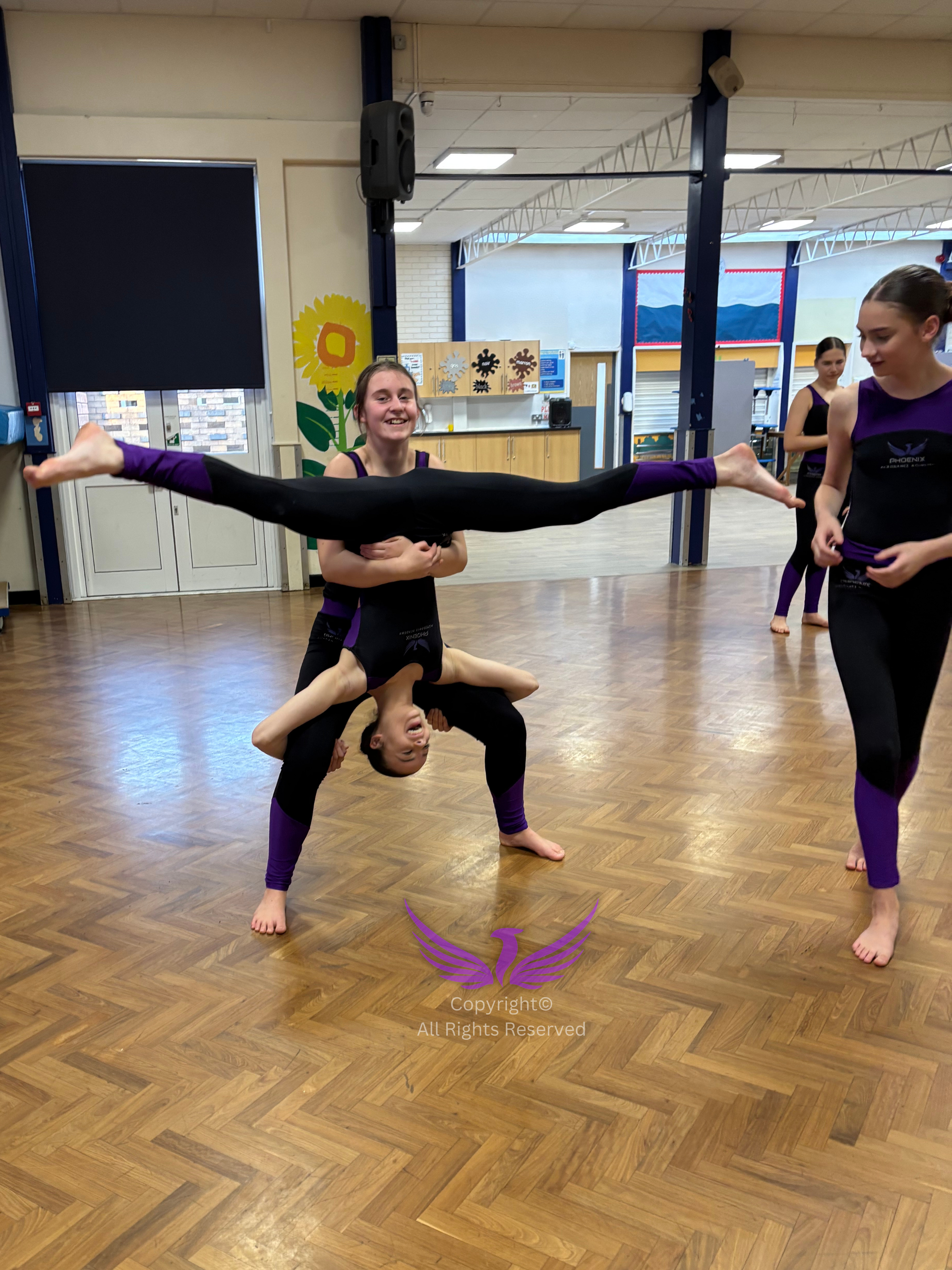
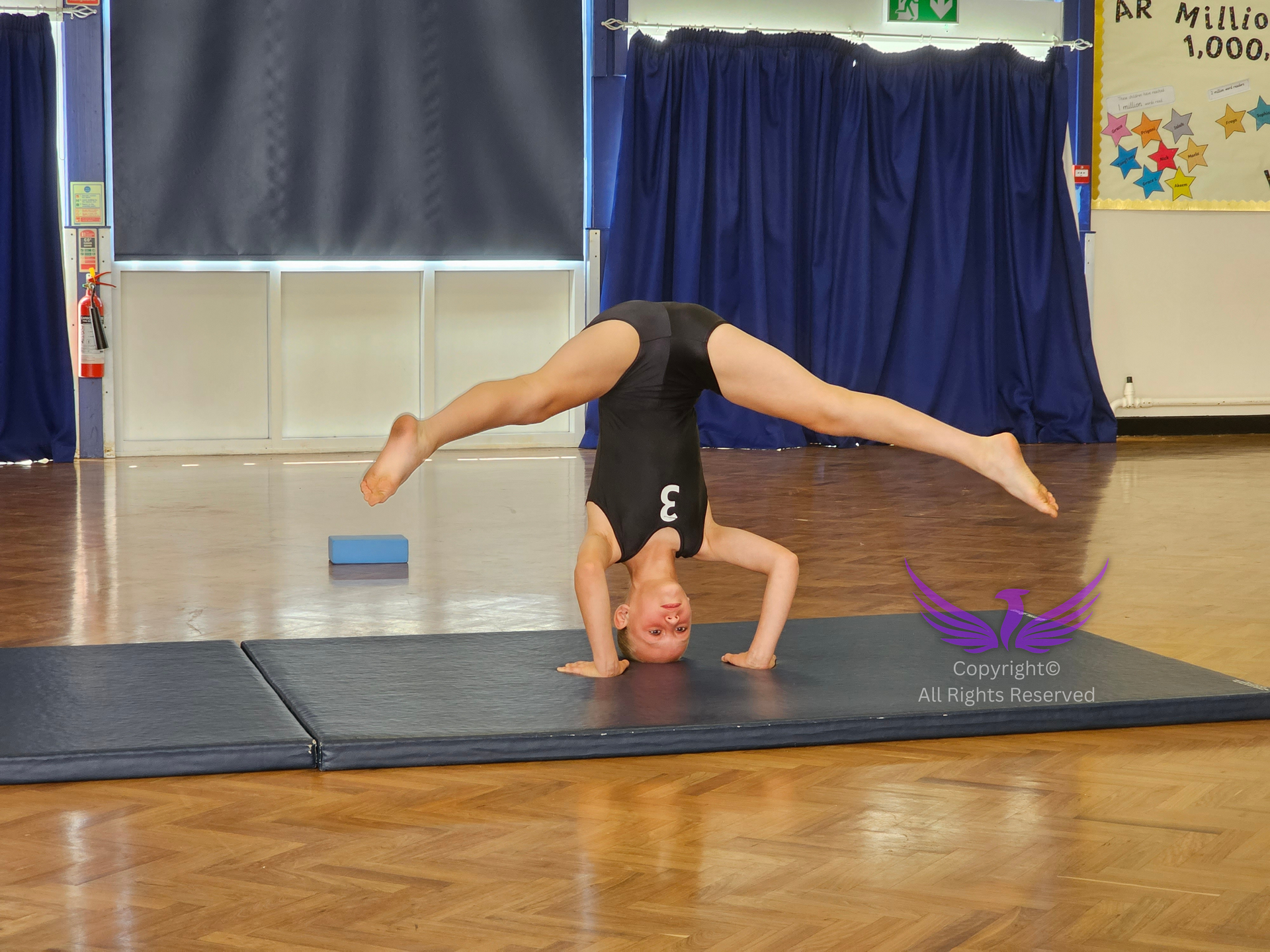
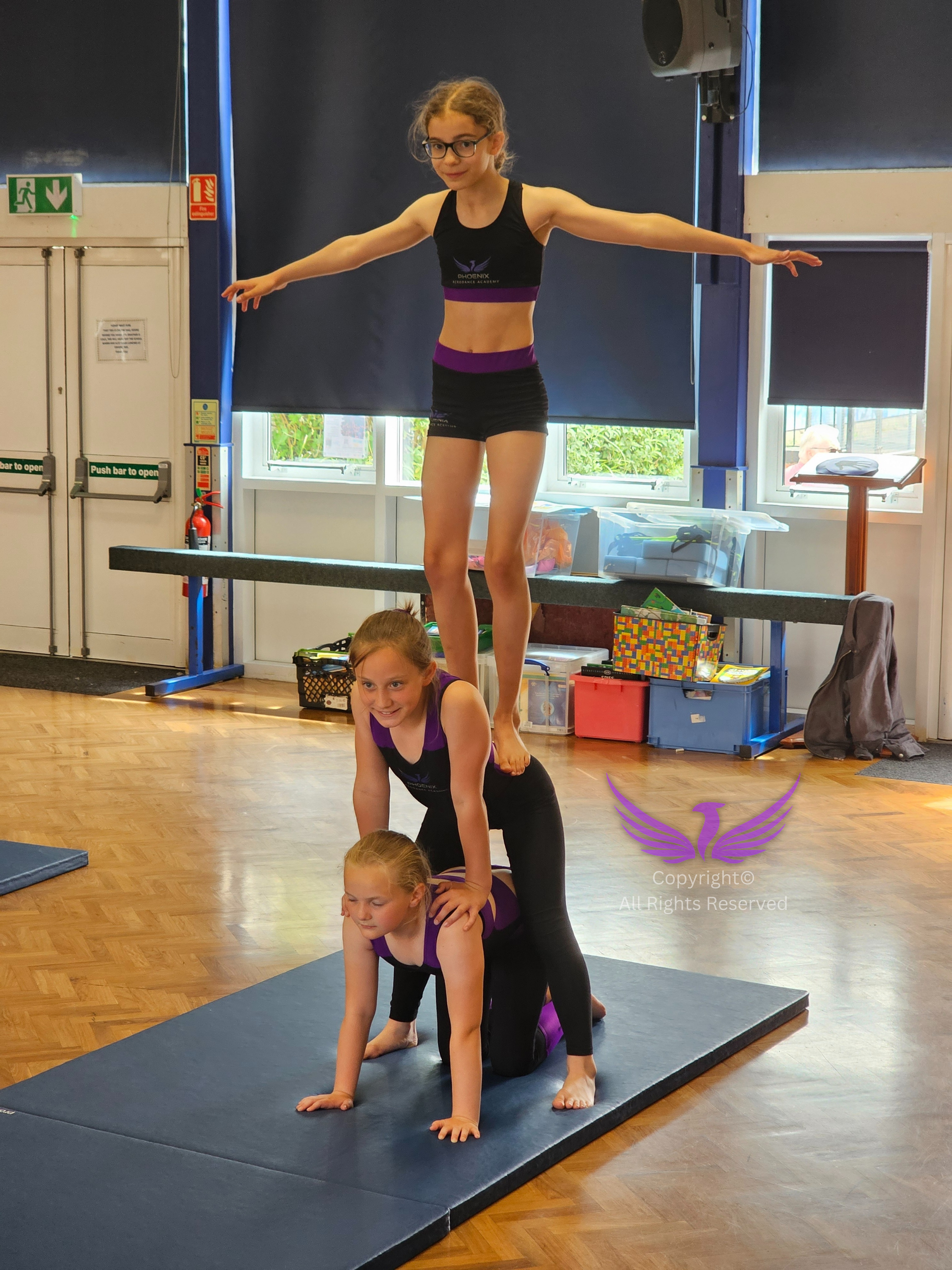
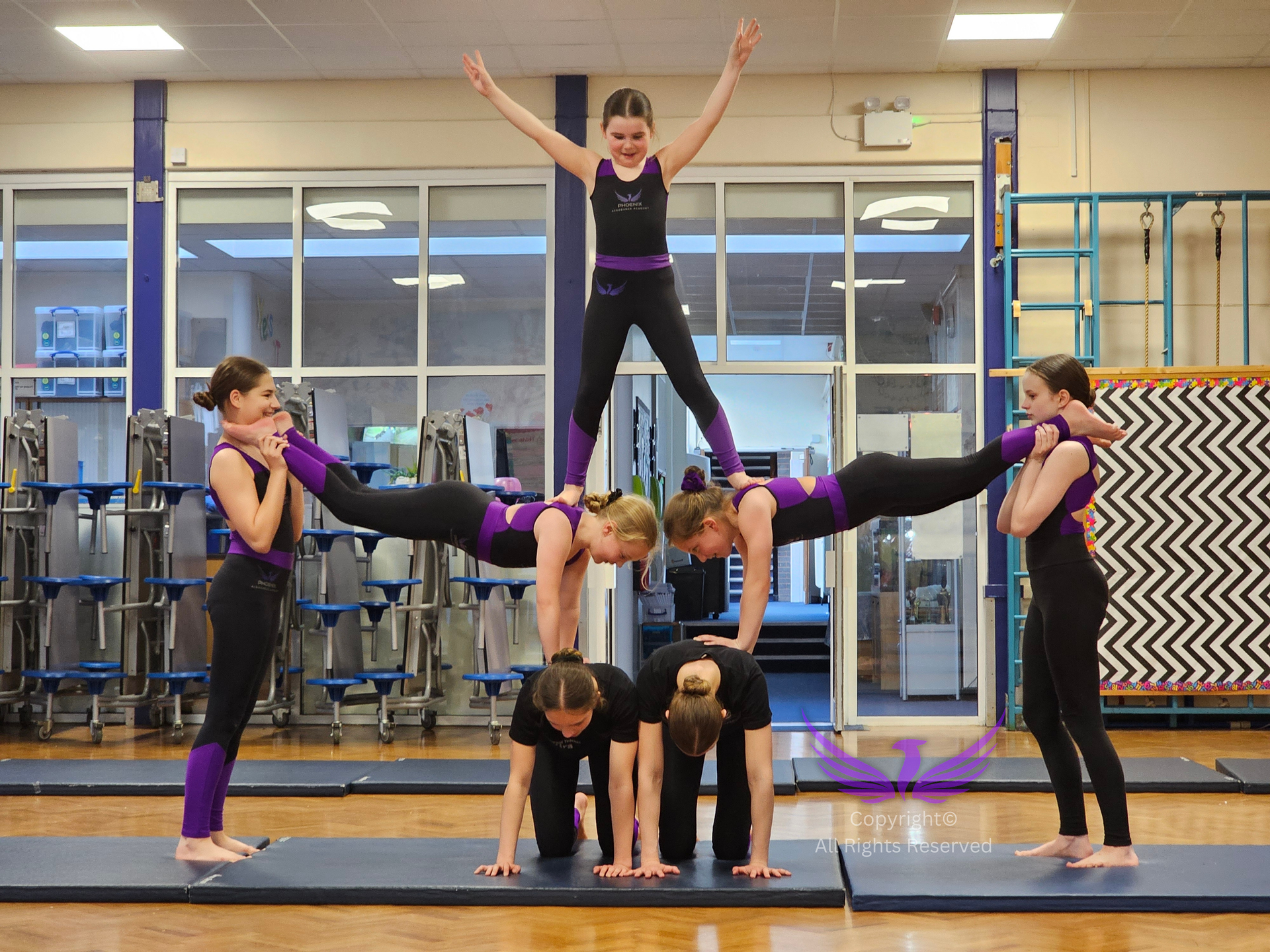
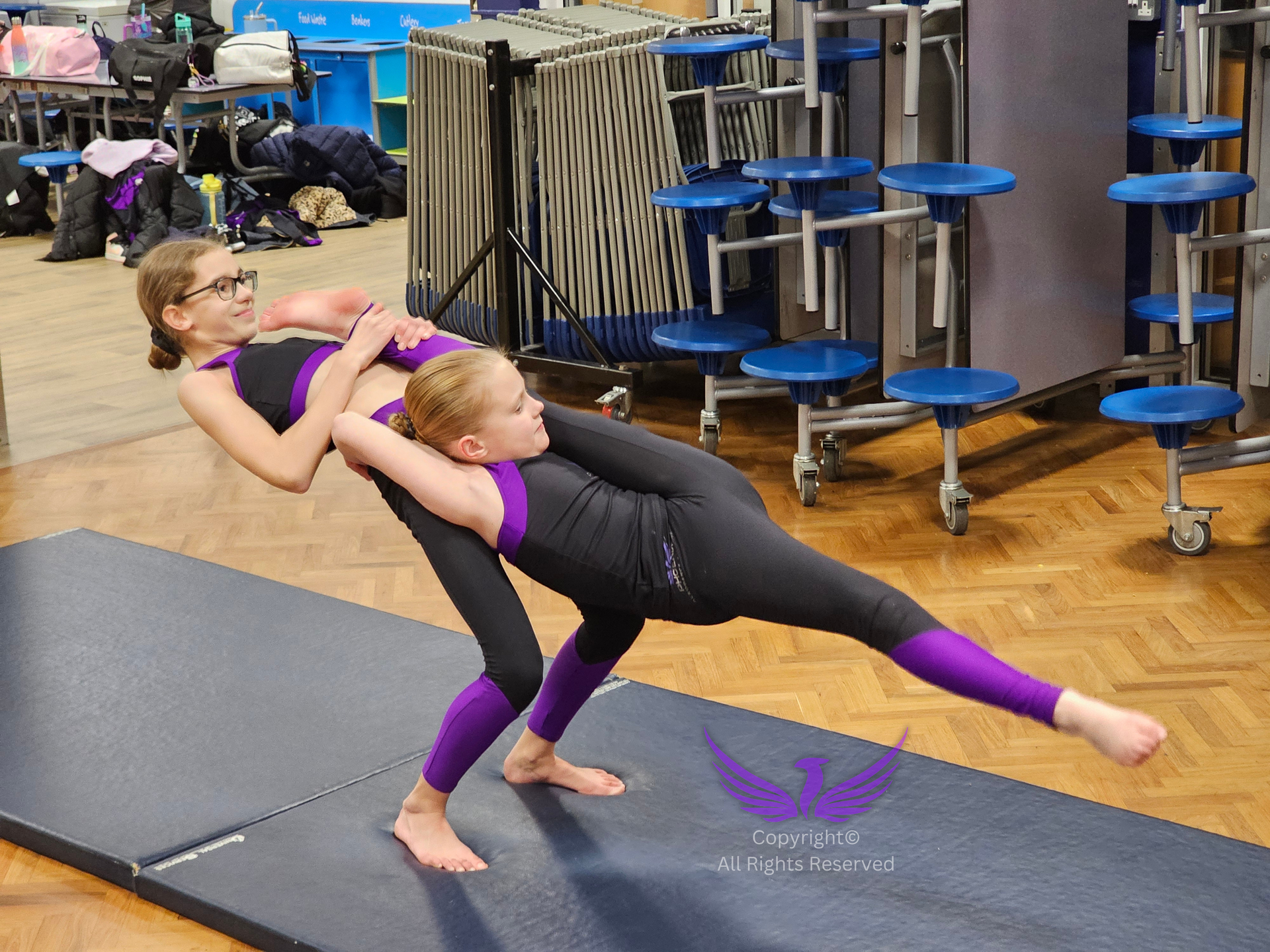
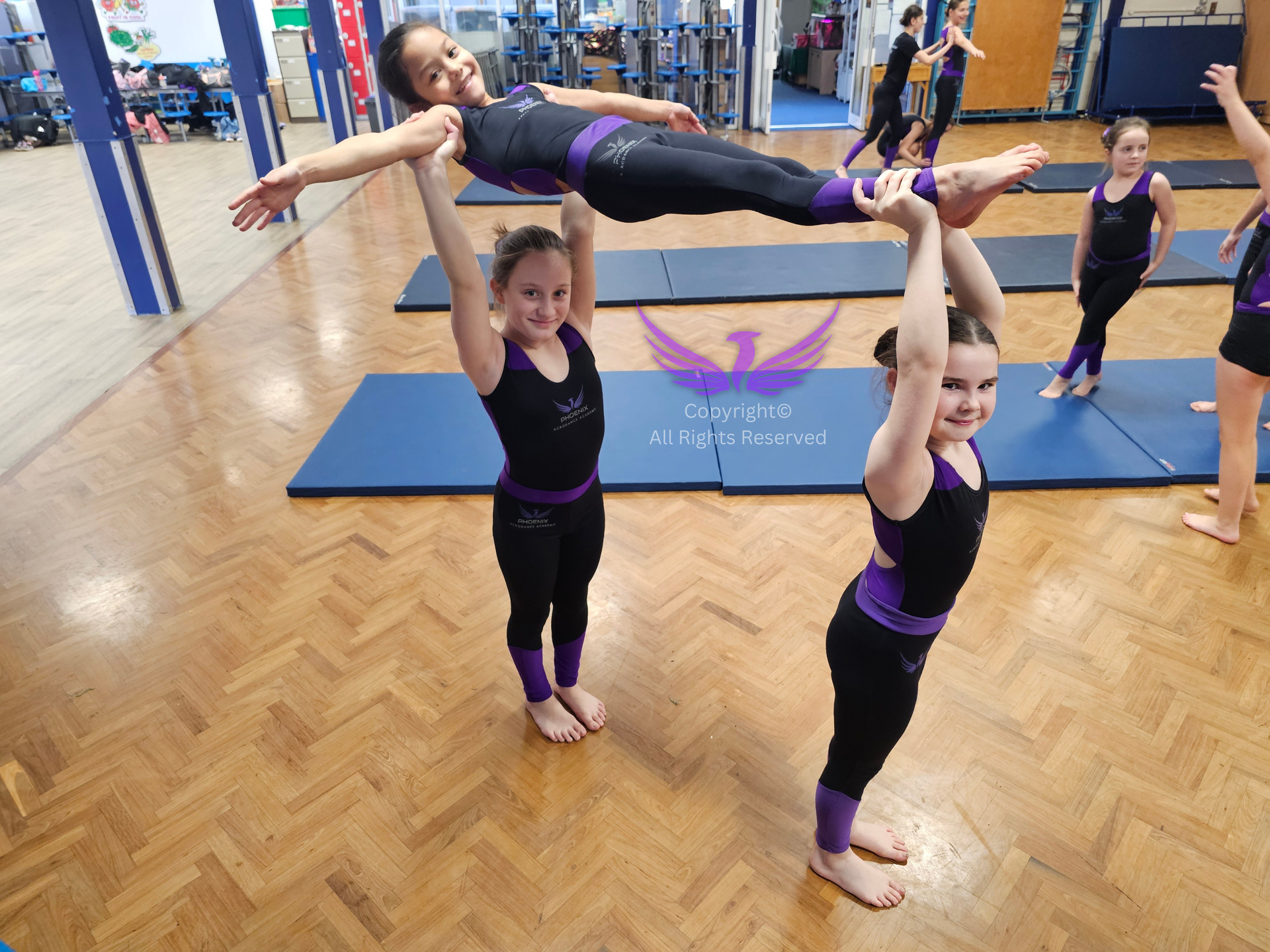
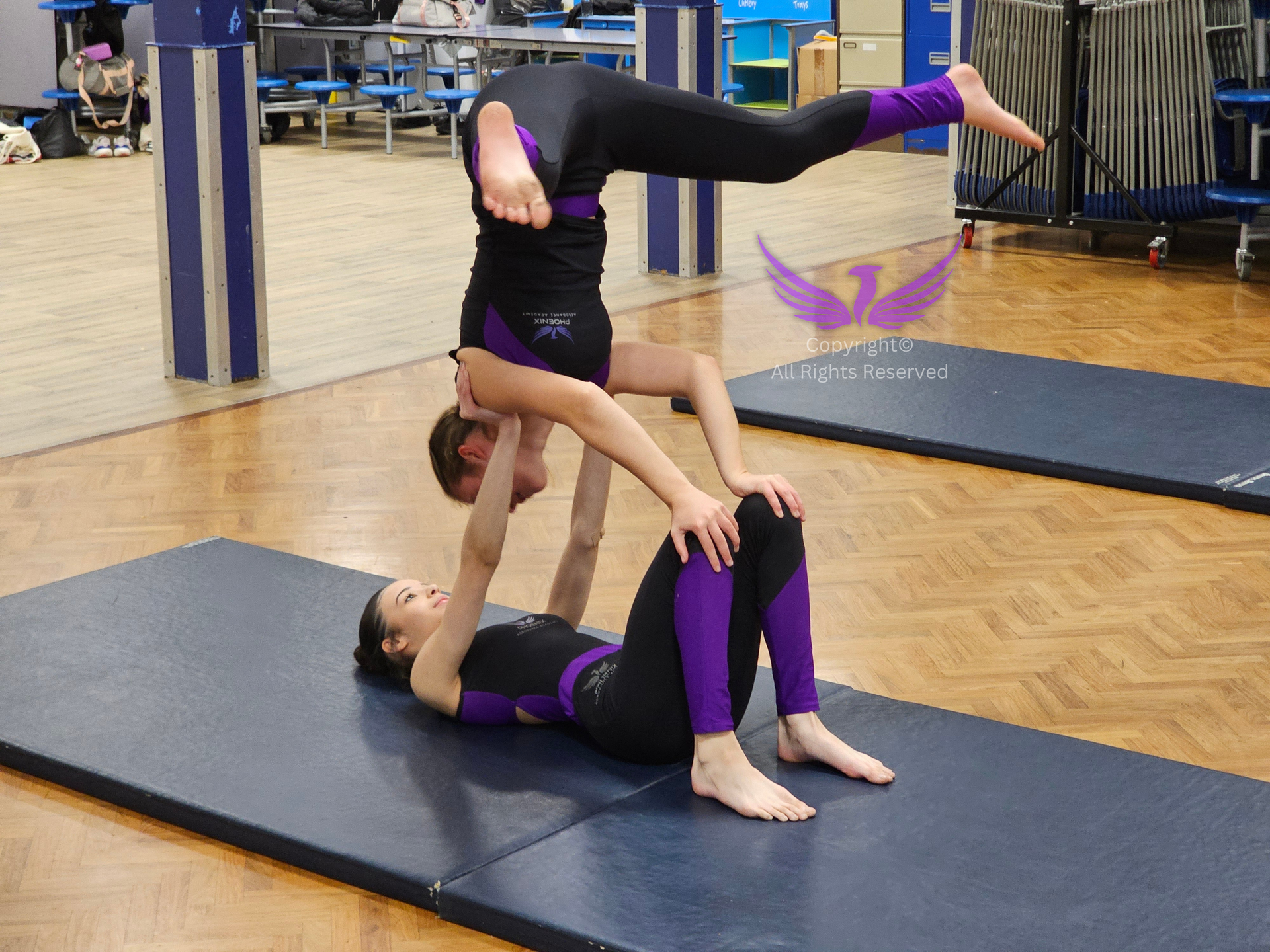
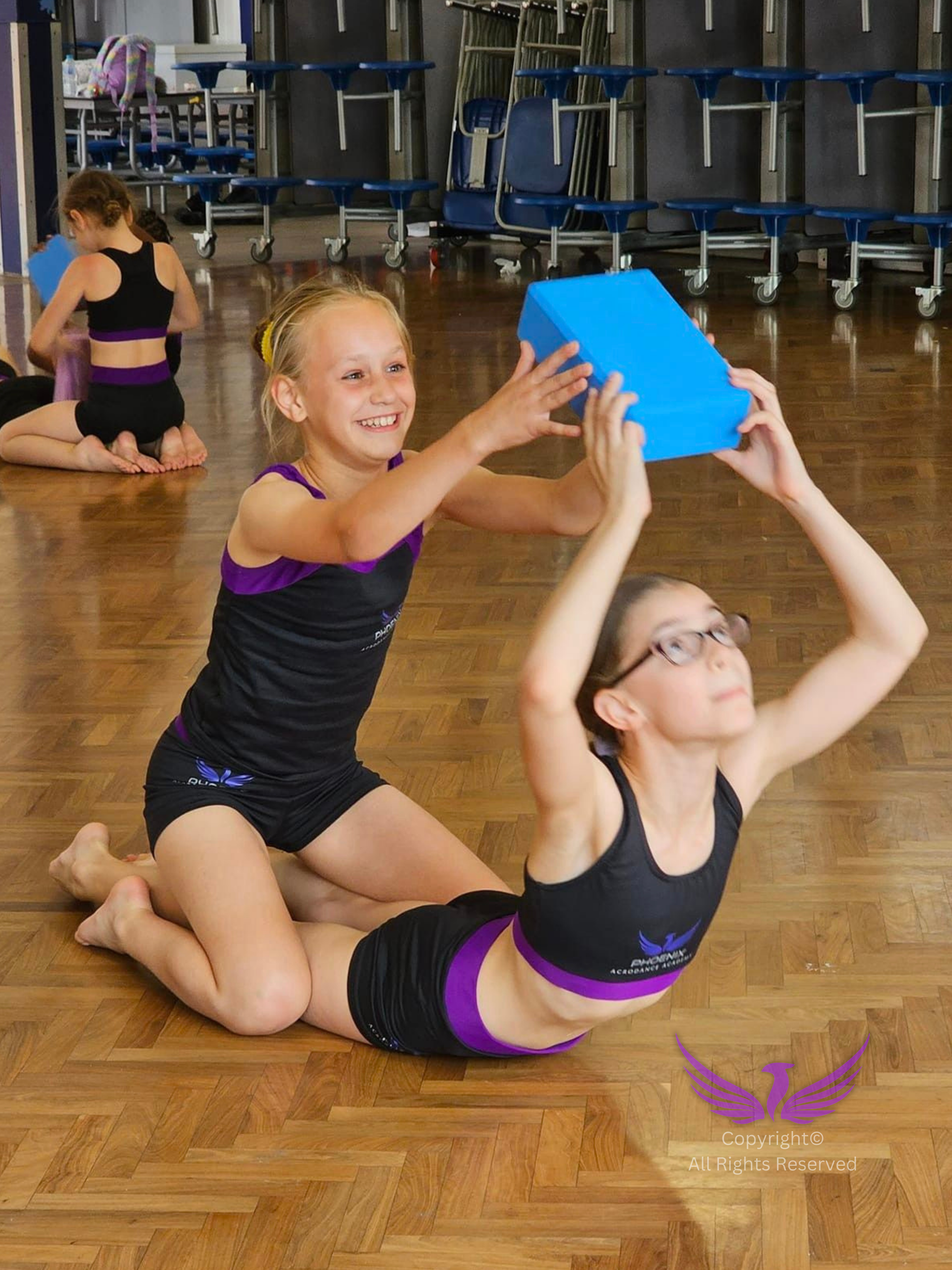
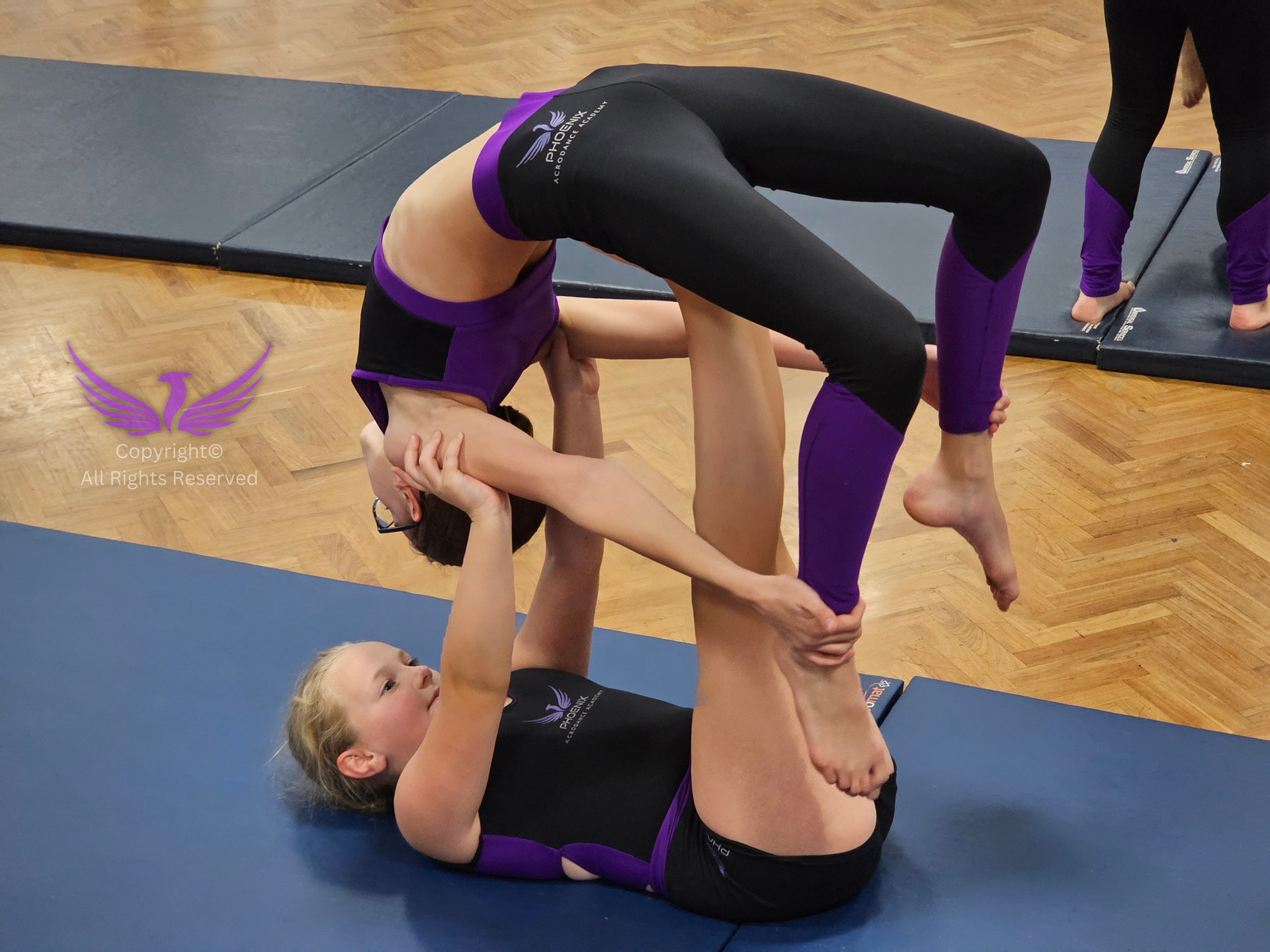
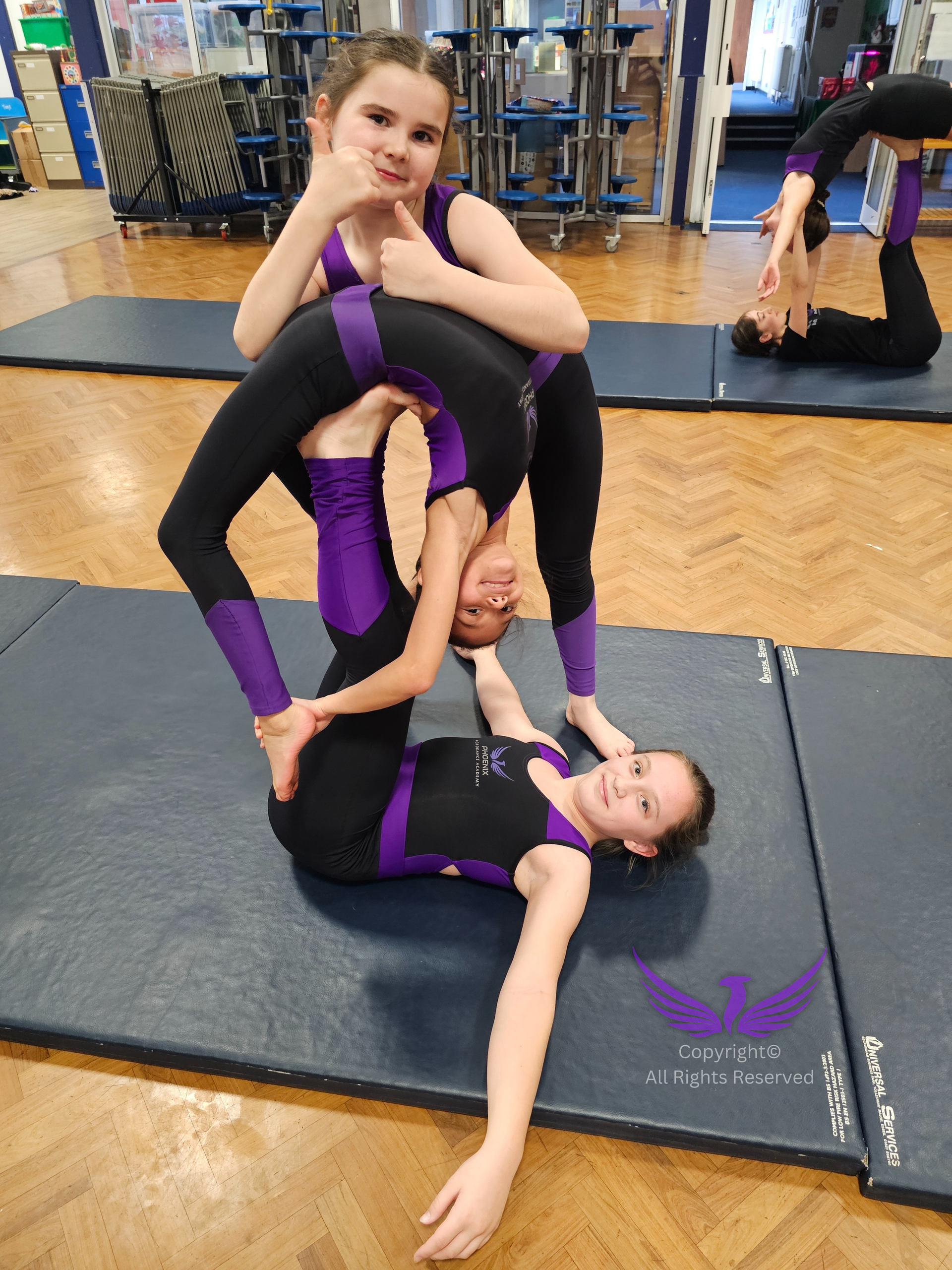
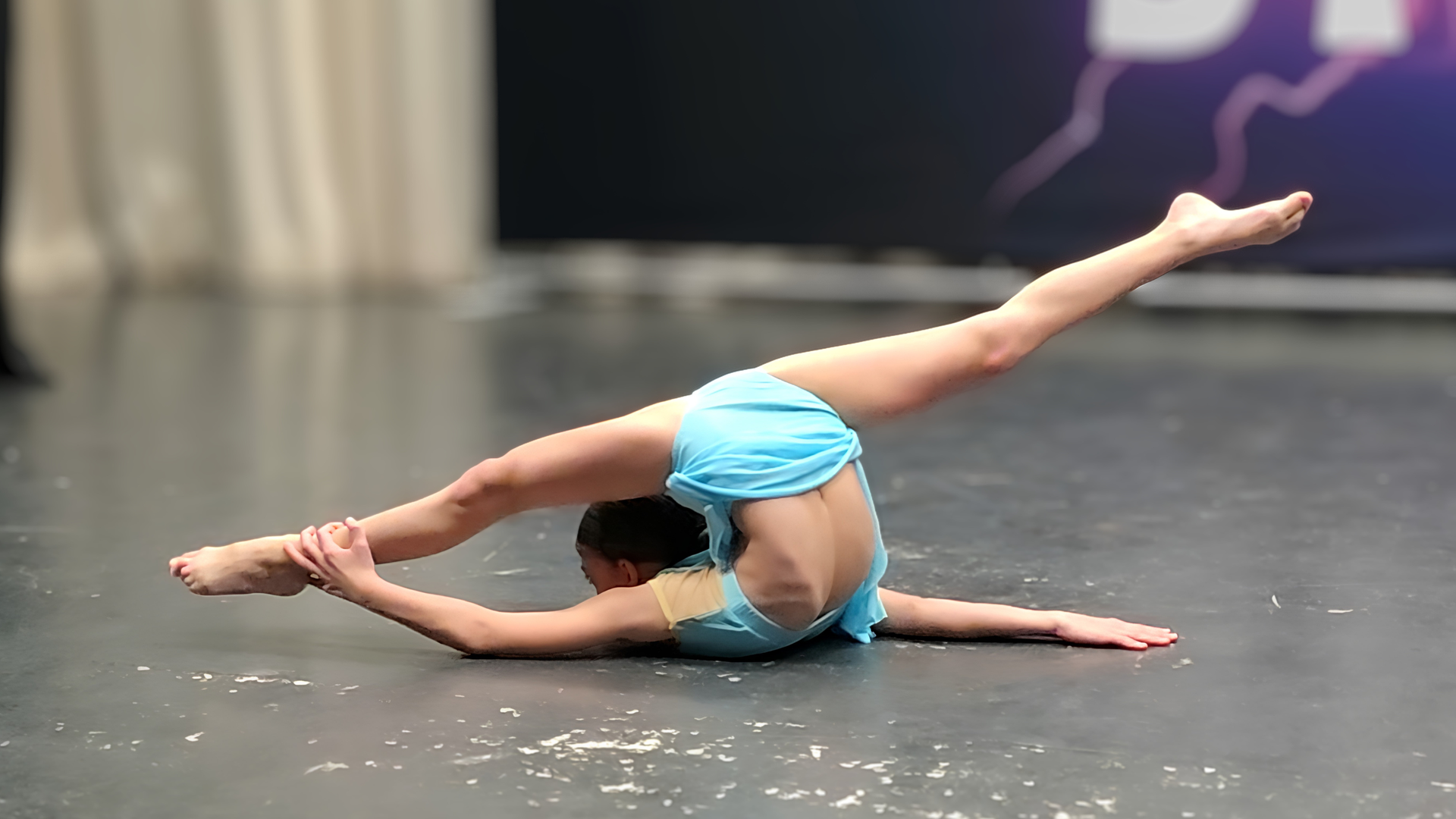
Acro is an especially challenging style for dancers to master as training in both dance and acrobatic elements is required. Acro technique includes balancing, limbering, tumbling and partnering, based in flexibility, contortion and strength.
ABOUT ACROBATIC ARTS
Created by a successful studio owner with decades of experience. The program is based on safe and effective progressions with proven results in five divisions of AcroDance: Flexibility, Strength, Balancing, Limbering and Tumbling. Developed with input from professionals and experts in ballet, modern dance, jazz, contortion, artistic gymnastics, rhythmic gymnastics, sport acrobatics, yoga, acro yoga, pilates, physiotherapy, hand balancing and more, you will not find a more comprehensive program. Simple thoughtful progressions take the beginner preschool level dancer from log rolls and summersaults to the advanced dancer tumbling effortlessly across the stage!
Our Mission
To set the standard of excellence in education among dance instructors in order to promote technique and progression in Acrobatic Dance
The Premise
We believe that proficient dance educators can be taught how to teach acro dance. Great dance teachers already understand the artistic requirements and extension that dance demands, and can learn the progressions necessary to teach their students the skills fundamental to acro dance
The Demand
The increased popularity of mainstream media, including Cirque du Soleil and Dance Television has created a huge demand for acro dance teachers in studio settings. This has caused some studio owners to hire unqualified instructors or gymnastics coaches (who don’t understand the art of acro, or how to perform the skills on a hard stage) to fill the void.
The Acrobatic Arts Solution
The Acrobatic Arts program provides easy progressions for dance teachers to follow, taking the guess work out of offering acro dance by providing step by step instructions for every level. Acrobatic Arts starts at the very beginning, we teach instructors everything they need to know about proper placement and technique so their students will have the building blocks to progress safely and quickly from one level to the next. Acrobatic Arts Teacher Training and Certification courses provide extensive, hands-on training in spotting and progression so teachers leave feeling knowledgeable, confident and inspired to teach acro dance. Studios who continue with Acrobatic Arts Exams for their students will have continuous support, with adjudicator meetings offering feedback and suggestions to improve the studio’s acro program annually.
The Benefits
Dancers who train through Acrobatic Arts have balanced development, are stronger, more flexible and fearless. Studios that implement this program will see dancers with more skills, who have fewer accidents, and are less likely to develop chronic injuries.
PADA Acrobatic Arts Class Structure
This structure means that each class throughout the week focuses on a different training area, and the sets rotate weekly. This ensures that students—especially those who attend multiple sessions—never repeat the same class within a week and benefit from a balanced, varied curriculum.
🌟 How the Rotation Works
Each week, every class is assigned one of our four training sets. For example:
- Week 1:
- Monday – SET 1
- Friday – SET 2
- Saturday – SET 3
- Week 2:
- Monday – SET 4
- Friday – SET 1
- Saturday – SET 2
- Week 3:
- Monday – SET 3
- Friday – SET 4
- Saturday – SET 1
- Week 4:
- Monday – SET 2
- Friday – SET 3
- Saturday – SET 4
This rotation continues throughout the term every 4 weeks, ensuring all students experience every set regularly.
💬 Why This Structure Works
Our rotating system ensures:
- No repeated content within the same week
- Balanced development across technique, strength, flexibility, partnering, and performance
- A fun, varied experience for students attending one, two, or all three weekly classes
- Consistent progression through the Acrobatic Arts syllabus
Interested in Acro?
2 Week Trial For £15 Available